Love Livin' in Thomastown VIC 3074: Your Complete Suburb Guide
Prefer Homeowner Blog in Google Search
Love Livin' in Thomastown VIC 3074: Your Complete Suburb Guide
Meta Description: Thomastown is a vibrant, multicultural northern Melbourne suburb offering an attractive blend of affordability, excellent transport links, and a strong sense of community, making it a hidden gem for first-home buyers and investors alike.
Key Statistics Section
| Statistic | Value |
|---|---|
| Median House Price | $0.76M |
| Distance to CBD | 17 km |
| Population | 28,800 |
1. Introduction
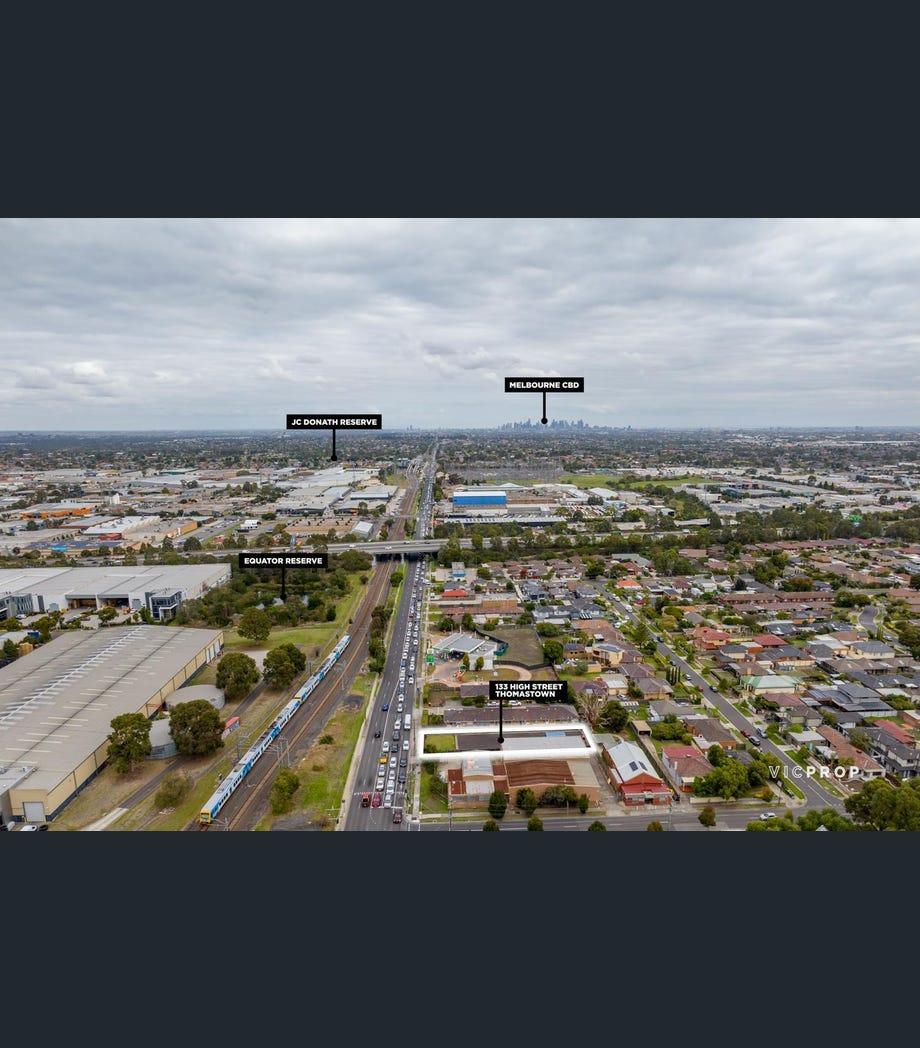
Thomastown, a well-established and diverse suburb located approximately 17 kilometres north of Melbourne's Central Business District (CBD), is a compelling proposition in the city's northern growth corridor. Situated within the City of Whittlesea, Thomastown has transformed from an industrial hub into a sought-after residential area, particularly for families and first-home buyers seeking value and connectivity. Its strategic location provides residents with convenient access to major arterial roads and public transport networks, significantly easing the daily commute into the city centre.
The suburb's character is defined by its rich cultural tapestry, high cultural diversity, and a significant elderly population, reflecting its long-standing history as a welcoming community for successive waves of migrants. This diversity is reflected in the local businesses, dining options, and community events, creating a vibrant and inclusive atmosphere. While the area has traditionally been associated with lower quartile income levels, a noticeable influx of young families is beginning to reshape the demographic profile. The housing stock is predominantly comprised of older, solid brick homes on generous blocks, offering excellent potential for renovation or redevelopment, alongside a growing number of modern townhouses and units. Thomastown’s appeal lies in its balance: it offers the space and affordability often found further out, combined with the established infrastructure and connectivity of a middle-ring suburb. This blend of practicality, cultural richness, and improving infrastructure positions Thomastown as a northern Melbourne suburb on the rise.
2. Understanding Thomastown's Property Market
The property market in Thomastown is characterized by its relative affordability compared to inner-city Melbourne, making it a strong contender for both owner-occupiers and property investors. The market has shown resilience and steady growth, underpinned by high demand from buyers priced out of neighbouring, more expensive suburbs. The median house price over the last year has hovered around the $760,000 to $777,500 mark, a figure that remains highly competitive for a suburb with such proximity to the CBD and established infrastructure.
Current Median House and Unit Prices
A detailed look at the market reveals a clear price progression based on property size. For houses, the median prices are: two-bedroom houses at approximately $720,000; three-bedroom houses at approximately $755,000; and four-bedroom houses at approximately $809,000. The unit and apartment market provides an even more accessible entry point, with median prices ranging from $503,000 to $550,000, which is particularly attractive to first-home buyers and downsizers.
Sales Volumes, Clearance Rates, and Days on Market
Market activity demonstrates a stable and relatively quick turnover. Over the past 12 months, the suburb has recorded around 267 house sales, suggesting consistent buyer interest. The average Days on Market (DOM) for houses is reported to be around 29 days, which is indicative of a balanced to seller-favouring market.
Market Trends and Recent Performance
Thomastown's property market has exhibited positive momentum, with an annual capital growth rate for houses recorded at approximately 3.8%. This steady, sustainable growth is a key indicator of the suburb's investment potential. The market's performance is driven by the ongoing search for affordability within a reasonable commuting distance of the CBD, the suburb's large land sizes offering development potential, and the continuous improvement of local infrastructure. The market is currently showing signs of continued stability, making it a reliable choice for long-term investment.
3. What Makes Thomastown Special: Lifestyle and Amenities
The lifestyle in Thomastown is a compelling mix of community tradition, cultural vibrancy, and practical convenience, anchored by local facilities and a strong sense of neighbourly connection.
Parks, Recreation Facilities, and Natural Features
Thomastown is well-served by open spaces and recreational facilities. The Thomastown East Recreation Reserve is a major community asset, featuring two football and cricket ovals, practice cricket nets, and six tennis courts, acting as a central hub for local sports clubs. The City of Whittlesea is actively working on improving parks, open spaces, cycling, and walking paths. Residents also benefit from the proximity to larger natural features like Edwardes Lake Park in the neighbouring suburb of Reservoir.
Shopping Centres and Retail Precincts
Retail life is vibrant and practical, largely centred around the High Street retail strip, the traditional heart of Thomastown, offering a diverse range of local businesses and essential services. For larger needs, residents have easy access to major retail centres nearby.
Dining, Cafes, and Entertainment Venues
Reflecting its multicultural population, Thomastown offers a fantastic array of dining experiences. The local food scene is characterized by authentic, family-run restaurants and cafes, particularly those specializing in Mediterranean, Middle Eastern, and Asian cuisines. The focus is on quality, accessible local dining and community-based entertainment.
Community Facilities and Local Character
The community spirit is strong, with the suburb well-equipped with facilities including medical centres, child care centres, and community halls. The local council's focus on community infrastructure, such as the proposed Thomastown Main St Pavilion Redevelopment, demonstrates an ongoing commitment to providing modern, accessible social hubs. The local character is one of hard work, family values, and a welcoming attitude.
4. Schools and Education
Thomastown is well-served by a range of public and private educational institutions, providing families with diverse options from primary through to secondary levels. The schools focus on supportive learning environments that cater to the diverse student population.
The primary school landscape is robust, with several well-regarded public schools serving the local catchment areas. Key institutions include Thomastown Primary School, Thomastown East Primary School, and Thomastown Meadows Primary School. Additionally, Lalor East Primary School serves many Thomastown residents. For families seeking a Catholic education, St Clare's School and St John XXIII Primary School offer alternative options. These schools collectively ensure that young families moving into Thomastown have access to quality foundational education.
At the secondary level, Thomastown Secondary College is the main public institution, emphasizing a culture of "Individual Excellence" and providing comprehensive education and pathways for local teenagers. The presence of these established schools, combined with the proximity to tertiary institutions in the wider northern region, ensures that Thomastown is a practical and convenient location for families prioritizing education.
5. Transport and Connectivity
Thomastown's excellent transport infrastructure and connectivity is a significant advantage, crucial for a suburb located 17 km from the CBD, and a major drawcard for commuters.
Train and Bus Services
The suburb is serviced by the Thomastown railway station on the Mernda line, providing a direct and efficient connection to the city. Metro Trains Melbourne services run from Thomastown Station to Flinders Street Station, with a journey time of approximately 35 minutes. An extensive network of bus routes also operates throughout Thomastown, connecting residents to the train station and local centres.
Major Roads and Highways
For drivers, Thomastown is strategically positioned with easy access to major arterial roads. The suburb is bordered by the Metropolitan Ring Road (M80) to the south, providing seamless connections across Melbourne, as well as the Hume Freeway (M31) for travel north. High Street, a major north-south thoroughfare, also runs through the suburb. The road distance to the CBD is approximately 16.7 km to 17 km.
Commute Times to CBD
The commute time to the CBD is highly favourable. By train, the journey is a reliable 35 minutes. By car, the commute time varies, but the proximity to the M80 and major roads allows for multiple route options, positioning Thomastown as a highly desirable location for city workers.
Parking Availability
Parking availability is generally good within the residential streets. Near the Thomastown train station and main retail strips, parking can be more competitive, but the local council continually reviews and manages parking.
6. Pros and Cons: Making an Informed Decision
For prospective buyers and investors, a balanced view of Thomastown is essential. The suburb offers a compelling list of advantages, but like any established area, it also presents a few challenges that should be considered.
The Advantages
- ▸Exceptional Affordability and Value: With a median house price significantly lower than the Melbourne average, Thomastown offers one of the best value propositions for a suburb with a 35-minute train commute to the CBD.
- ▸Strong Transport Connectivity: The direct train line to Flinders Street Station and immediate access to the Metropolitan Ring Road (M80) make it highly convenient for commuters, a critical factor for long-term property value.
- ▸High Rental Yield and Investment Potential: The area offers a solid gross rental yield (around 3.3% for houses) and consistent capital growth (around 3.8% annually), making it an attractive prospect for property investors.
- ▸Rich Cultural Diversity and Community Spirit: The suburb's multicultural makeup translates into a vibrant local food scene, diverse community events, and a welcoming, inclusive atmosphere that appeals to a broad range of residents.
- ▸Established Infrastructure and Amenities: Thomastown boasts a comprehensive network of schools, extensive recreational facilities (like the Thomastown East Recreation Reserve), and practical local shopping strips, meaning residents have everything they need close to home.
The Challenges
- ▸Historical Perception and Image: Thomastown has historically been associated with its industrial past and lower income levels, which can sometimes affect its public perception, although this is rapidly changing with the influx of new families.
- ▸Traffic Congestion on Arterial Roads: While connectivity is excellent, the major roads, particularly the Metropolitan Ring Road and High Street, can experience significant congestion during peak commuting hours, impacting local travel times.
- ▸Limited High-End Lifestyle Options: The suburb's focus is on practical, community-based living. Those seeking a high concentration of trendy cafes, boutique shopping, or sophisticated nightlife may need to travel to neighbouring suburbs or the inner city.
- ▸Housing Stock Variation: While large blocks are an advantage, much of the housing stock is older, requiring renovation or redevelopment to meet modern standards, which can involve additional time and cost for buyers.
7. Investment Potential
Thomastown's investment profile is robust, driven by its strategic location, affordability, and demographic shift, appealing to investors seeking steady returns and capital growth.
Historical Growth Trends
The suburb has demonstrated consistent, moderate capital growth, with an annual rate of approximately 3.8% for houses. This steady performance offers reliable, long-term appreciation. As affordability pressures increase in inner Melbourne, Thomastown, with its excellent transport links, becomes the natural next choice for buyers, pushing prices upwards.
Rental Market Performance
The rental market is strong, characterized by high demand and solid yields. Houses offer an average gross rental yield of approximately 3.3%, with a median rental price around $600 per week. This healthy yield, combined with the relatively low median house price, provides a positive cash flow scenario for investors, fueled by the diverse population who value the suburb's convenience and affordability.
Future Infrastructure and Development
Future development plans focus on enhancing liveability and economic vitality. The City of Whittlesea is actively pursuing strategic planning for the Thomastown and Lalor Neighbourhood Activity Centres to improve commercial and community infrastructure. Projects like the Thomastown Main St Pavilion Redevelopment and other initiatives are set to deliver modern recreational and social facilities, further boosting the suburb's appeal and property values.
Market Outlook
The outlook for Thomastown is positive. It is a well-located, established suburb undergoing a generational shift. As the demographic profile trends towards younger families, demand for housing will increase. The excellent transport links act as a permanent floor for property values. Investors can expect continued steady capital growth and reliable rental income, making Thomastown a low-risk, high-potential investment.
8. Final Verdict: Is Thomastown Right for You?
Thomastown is a suburb that offers a compelling blend of practicality, affordability, and community, making it an excellent choice for a specific segment of the Melbourne property market.
Who This Suburb Suits Best
- ▸First-Home Buyers: The competitive median house and unit prices offer an accessible entry point into the Melbourne property market, particularly for those who require a reasonable commute to the CBD.
- ▸Young and Established Families: The abundance of schools, parks, and recreational facilities, combined with larger block sizes, makes it an ideal environment for raising children.
- ▸Property Investors: The strong rental yield, steady capital growth, and high demand from renters position Thomastown as a reliable and profitable investment location.
- ▸Commuters: Anyone working in the CBD or the northern industrial/commercial precincts will appreciate the direct train line and easy access to the M80.
Key Considerations for Buyers
Prospective buyers should focus on properties that are either already renovated or offer significant potential for improvement, as these will benefit most from the suburb's rising profile. Buyers should also investigate the specific micro-markets within Thomastown, as proximity to the train station and major parks can influence price and demand. Understanding the local council's future development plans can also provide insight into areas set for the most significant future amenity upgrades.
Overall Assessment
Thomastown is a hidden gem that is rapidly shedding its industrial image and emerging as a highly desirable, family-friendly suburb. It delivers on the promise of affordable Melbourne living without sacrificing essential connectivity. For those seeking a vibrant, multicultural community with solid investment fundamentals and a quick commute to the city, Thomastown is not just a place to live—it's a place to thrive.
More from Love Livin' series

Love Livin' in Bronte NSW 2024: Your Complete Suburb Guide
Bronte NSW 2024 offers exclusive beachside living with a family-friendly atmosphere, stunning ocean pool, and strong community spirit.

Love Livin' in Potts Point NSW 2011: Your Complete Suburb Guide
Potts Point NSW 2011 combines inner-city sophistication with bohemian charm, offering excellent dining and vibrant nightlife.

Love Livin' in Darlinghurst NSW 2010: Your Complete Suburb Guide
Darlinghurst NSW 2010 offers cultural and arts district with excellent amenity and lifestyle options.