The Truth About Open Homes vs. Private Inspections
Prefer Homeowner Blog in Google Search
The Truth About Open Homes vs. Private Inspections
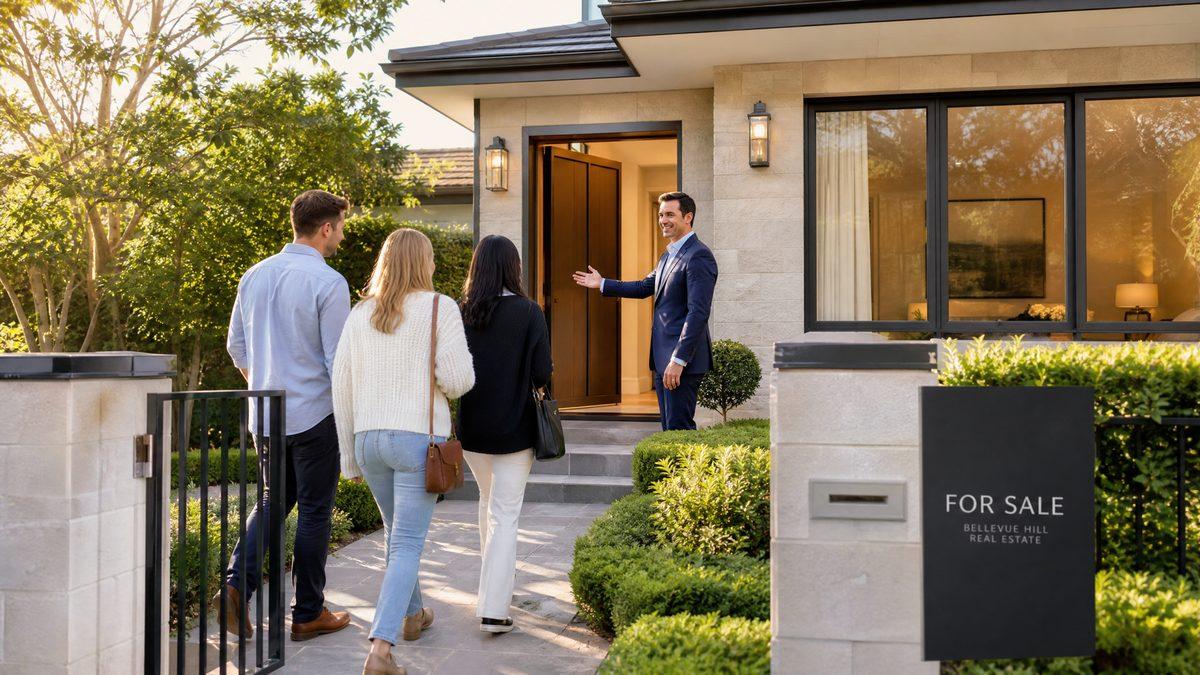
For decades, open homes have been a cornerstone of residential property sales across Australia. Crowds of buyers walking through a property on a Saturday morning have long been viewed as a sign of strong interest and market momentum. However, as buyer behaviour evolves and technology changes the way people search for property, private inspections are playing an increasingly important role in the sales process. For sellers, understanding the strengths and limitations of both approaches can be critical to maximising buyer engagement and achieving the best possible outcome.
The Case for Open Homes
Open homes remain one of the most effective tools for generating broad exposure. By allowing multiple buyers to inspect a property at the same time, they create convenience, efficiency, and a sense of activity around a listing. Buyers often gain confidence when they see other interested parties attending inspections, which can contribute to a stronger perception of demand.
From a seller's perspective, open homes also allow agents to manage enquiries efficiently and gather valuable feedback from a wide range of prospective buyers. In competitive markets, a busy open inspection can help build momentum and encourage buyers to act more quickly.
When Private Inspections Work Better
However, open homes are not always the ideal solution for every property or every buyer. Some purchasers prefer a quieter environment where they can take their time assessing the home without the distractions of other attendees. This is particularly common among high-net-worth buyers, downsizers, and purchasers considering premium properties.
The most successful sales campaigns often combine the broad reach of open homes with the personalised experience of private inspections.
Private inspections provide an opportunity for more meaningful engagement. Buyers can ask detailed questions, revisit specific features, and spend additional time evaluating the property's suitability. This often leads to deeper conversations with agents and can provide sellers with stronger insights into genuine buyer intent.
Industry professionals say private inspections are increasingly valuable in markets where buyers require greater confidence before making significant financial decisions. In some cases, a buyer who first attends an open home may later request a private inspection before submitting an offer, allowing them to conduct a more thorough assessment.
The Role of Technology
Technology has also influenced the balance between the two approaches. Online listings, virtual tours, video walkthroughs, and digital floorplans mean many buyers complete extensive research before physically inspecting a property. As a result, some attendees at private inspections arrive highly informed and closer to making a purchasing decision.
Property Type and Location Matter
Property type can also influence the effectiveness of each strategy. Family homes in popular suburbs may benefit from strong open-home attendance and competitive buyer activity, while prestige properties or unique residences often achieve better engagement through appointment-only inspections tailored to qualified buyers.
Privacy and Security Considerations
Privacy and security considerations are another factor. Some sellers are uncomfortable opening their homes to large groups of strangers, particularly when the property contains valuable possessions or remains occupied during the campaign. Private inspections can provide greater control over who enters the property and when.
A Complementary Approach
Rather than viewing open homes and private inspections as competing approaches, many agents now see them as complementary components of a broader sales strategy. Open homes help generate visibility and initial interest, while private inspections can strengthen buyer engagement and support final purchasing decisions.
Ultimately, the choice between open homes and private inspections should not be about selecting one over the other. For sellers seeking the strongest result, the most effective strategy is often the one that provides buyers with multiple opportunities to connect with the property in a way that suits their individual needs and decision-making process.
More from Sellers

Why Pricing Smarter Is Selling Faster
In a property market marked by fluctuating confidence and increasingly data-savvy buyers, Australia's leading real estate agents say the key to a successful sale comes down to one skill above all others: accurate pricing.
Why Pricing Smarter Is Selling Faster.
In a property market marked by fluctuating confidence and increasingly data-savvy buyers, Australia's leading real estate agents say the key to a successful sale comes down to one skill above all others: accurate pricing. While presentation, marketing, and negotiation play significant roles, setting the wrong price on day one remains the single biggest factor derailing campaigns.
When Your Agent Isn't Measuring Up.
In a property market where precision, presentation and strategy dictate success, Australian home sellers are becoming increasingly alert to a growing issue: agents who simply aren't delivering on their promises. While many agents operate at high professional standards, industry analysts warn that a surprising number of sellers still find themselves locked into campaigns plagued by poor communication, weak marketing and ineffective negotiation - all of which can drag down the final sale price.