The Pros and Cons of Buying a Corner Block
Prefer Homeowner Blog in Google Search
The Pros and Cons of Buying a Corner Block
In a property market where every square metre counts, corner blocks continue to attract strong interest from Australian buyers seeking flexibility, space, and future upside. But while these properties often stand out on the street, they come with a distinct set of trade-offs that buyers should carefully weigh before making a decision.
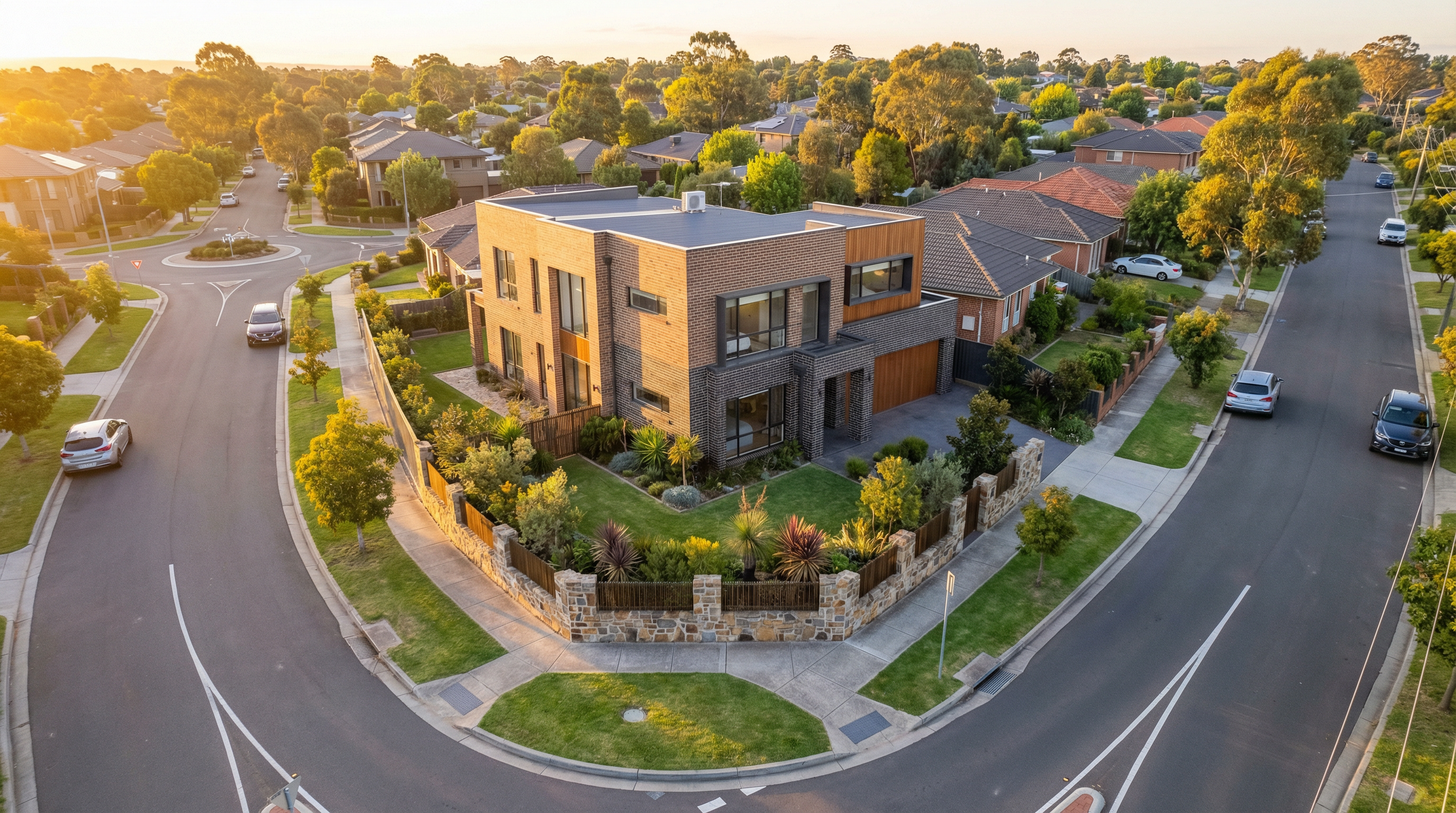
Corner blocks, by definition, sit at the intersection of two streets, offering dual frontage and, in many cases, increased land size compared to neighbouring properties. For buyers, this can present immediate lifestyle benefits. Additional street access often means easier parking, greater design flexibility, and in some cases, the potential for secondary dwellings or subdivisions—subject to council approval.
It's this versatility that makes corner blocks particularly appealing to investors and forward-thinking homeowners. With the right zoning, a corner site can open the door to future development opportunities that standard lots simply can't offer. Builders and developers often place a premium on these sites for that reason alone.
"For many buyers, a corner block isn't just a home—it's a long-term opportunity."
However, the advantages don't come without compromise. One of the most commonly cited downsides is reduced privacy. With two street frontages, there are fewer natural barriers between the home and the outside world, often resulting in more exposure to traffic and pedestrians. This can also translate into increased noise levels, particularly on busier roads.
Maintenance is another factor that buyers sometimes underestimate. Larger frontages typically mean more fencing, more landscaping, and more upkeep overall. For some, this added responsibility is a worthwhile trade-off for the extra space—but for others, it can become a burden over time.
Security considerations can also come into play. With multiple access points, corner properties may require additional measures such as fencing, lighting, or surveillance to ensure peace of mind. While not a dealbreaker, it's an extra layer that buyers should factor into their decision-making process.
From a design perspective, corner blocks can be both a blessing and a challenge. While they allow for creative architectural layouts and better natural light, they also come with stricter council requirements in many areas, particularly around setbacks and street-facing aesthetics. This can limit what you're able to build or renovate, depending on local regulations.
Ultimately, whether a corner block is the right choice comes down to the buyer's priorities. For those seeking flexibility, future potential, and a sense of openness, the benefits can far outweigh the drawbacks. But for buyers focused on privacy, low maintenance, and simplicity, a standard lot may prove to be a better fit.
As with any property decision, due diligence is key. Understanding both the opportunities and the limitations of a corner block can help buyers make a more informed—and confident—purchase in an increasingly competitive market.
More from Buyers

How to Choose Between House and Townhouse in Your Budget
Discover the key differences between houses and townhouses to make an informed property decision. Compare costs, lifestyle factors, and investment potential to find the perfect fit for your budget and goals.

What Family Home Buyers Must Understand Before Committing
As Australia's housing market continues to move at a frantic pace in 2026, family home buyers are increasingly finding themselves making decisions under intense time pressure.

Time Pressure Is Causing Costly Mistakes for Family Home Buyers
Whether the rush is caused by a job relocation, an expiring lease or fear of missing out in a competitive market, the consequences of hasty decisions can be significant.