Love Livin' in Stanley TAS 7331
Prefer Homeowner Blog in Google Search
Love Livin' in Stanley TAS 7331
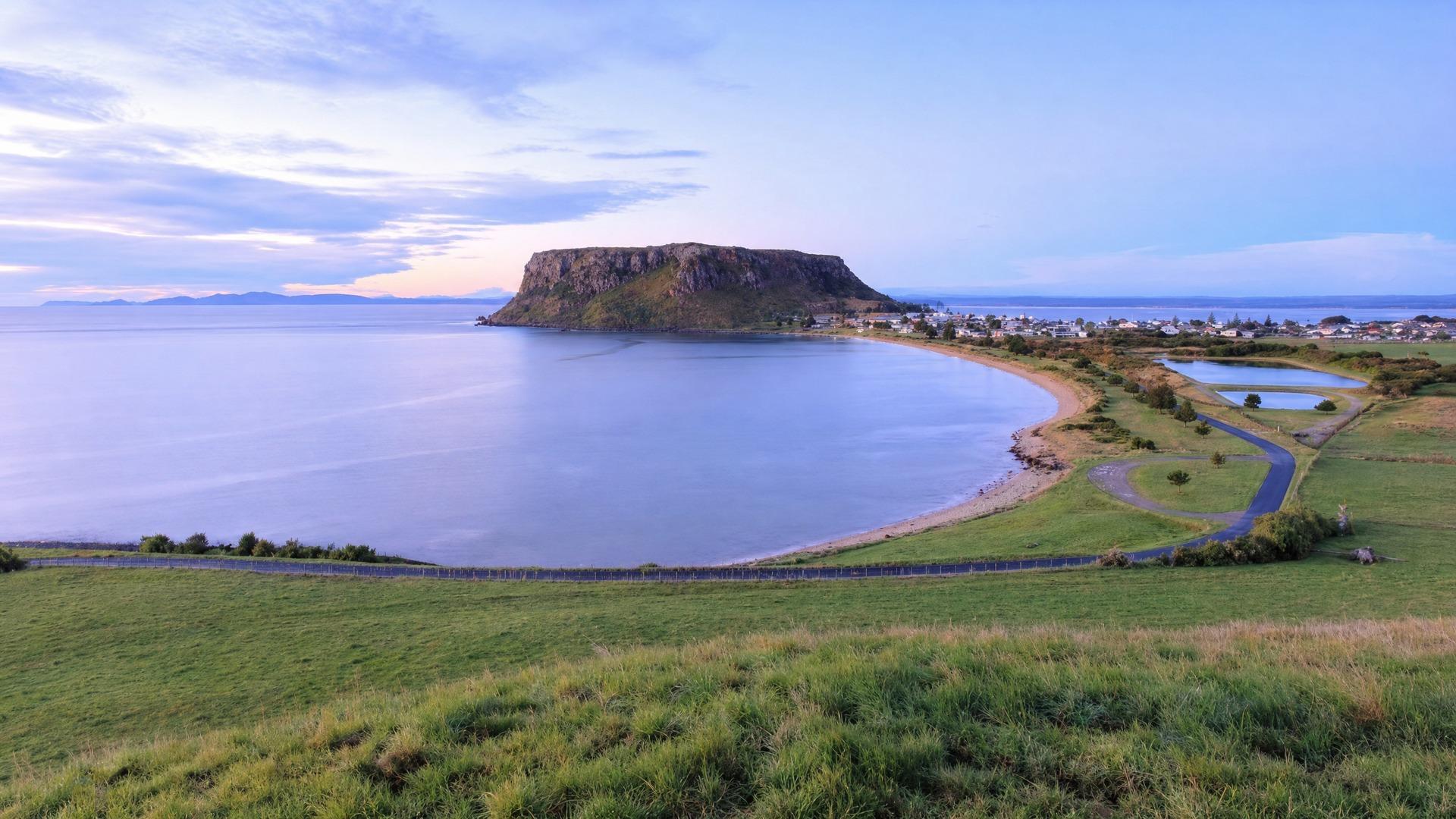
Perched on a slender peninsula on Tasmania’s rugged north-west coast, Stanley is a town defined by its dramatic geography and deep-seated history. Dominated by The Nut—a 143-metre-high volcanic plug rising abruptly from the Bass Strait—the suburb offers a living experience grounded in the past and invigorated by the wild natural environment [1]. For those who call Stanley home, life is dictated by the seasons and tides, offering a sanctuary for those seeking a slower pace without sacrificing community connection. The town’s well-preserved colonial architecture and narrow streets have earned it recognition as one of Australia’s premier heritage destinations, yet it remains a functional town supported by a resilient local population [2].
Setting and Character
The character of Stanley is inextricably linked to its maritime heritage and its unique geological landmark. The Nut, an extinct volcanic neck, serves as a constant backdrop to daily life, providing a sense of enclosure and protection from the prevailing westerly winds [3]. The town is a tapestry of 19th-century cottages and public buildings reflecting its origins as the headquarters for the Van Diemen’s Land Company in the 1820s [4]. Walking through the town centre, one is struck by the meticulous preservation of these structures, which range from the humble worker’s cottage where Prime Minister Joseph Lyons was born to the grand Regency-era Highfield Historic Site overlooking the bay [2].
This historic charm forms the backbone of the community’s identity. The atmosphere is one of quiet permanence, where the air is famously clean—often cited as some of the freshest in the world as it travels across the Southern Ocean [5]. The population of approximately 595 residents is a mix of long-term locals, many with ties to the fishing and farming industries, and newer arrivals drawn by the town’s aesthetic appeal and peaceful lifestyle [6]. The community is tight-knit, with a median age of 51, reflecting a demographic that values stability and the simple pleasures of coastal living [6].
Everyday Life and Local Amenities
Living in Stanley requires a shift in perspective regarding convenience. While the town is equipped with essential services, it retains a small-town scale that encourages personal interaction. Church Street serves as the commercial heart, housing the Stanley Post Office, which doubles as a banking hub, and the Good Shepherd Pharmacy [7]. For daily groceries, residents rely on the Stanley IGA Supermarket & Newsagency, which stocks a broad range of goods, including fresh local produce and hardware essentials [7]. The Stanley Hotel, a beautifully restored 1840s building, acts as a social anchor, offering a space for community gatherings and reliable dining [5].
For families, Stanley Primary School provides a local education option for younger children, fostering a sense of belonging from an early age [8]. However, for broader services, residents typically look toward Smithton, located 20 minutes west. Smithton serves as the regional service centre, providing access to the Smithton District Hospital, medical clinics, dental services, and secondary education options [7]. This reliance on a neighbouring town for major amenities is a standard part of life in Stanley, reinforcing the town’s role as a quiet residential and tourism enclave rather than a self-contained urban centre.
Nature and Outdoor Life
Nature is the town’s primary defining element. The Nut State Reserve offers both a physical challenge and a spiritual retreat, with a steep walking track and a chairlift providing access to the summit’s plateau [1]. From the top, residents are treated to panoramic views of the coastline and the rolling green hills of the Circular Head region. The summit is also a haven for wildlife, including short-tailed shearwaters that return to their burrows at dusk during the summer months [1].
Waterfront life is equally vibrant. Godfreys Beach, at the base of The Nut, is a popular spot for morning walks and rock pool exploration. It is also home to a colony of little penguins, which can be observed from a viewing platform as they return to shore each evening [1]. The surrounding waters support a local fishing fleet that brings in world-class lobster and striped trumpeter, often served fresh at local institutions like Hursey Seafoods [2]. For those who enjoy the outdoors, the region offers endless opportunities for beachcombing, fishing, and hiking within a landscape that feels largely untouched by modern development.
Getting Around and Connection
Connectivity in Stanley is best described as regional. While accessible via the Bass Highway, it remains a secluded destination. A car is essential for most residents, as the drive to Burnie takes approximately one hour, while Devonport—home to the Spirit of Tasmania ferry terminal—is 90 minutes away [2]. For those without private transport, Kinetic operates a regional coach service connecting Stanley to Burnie, typically departing in the morning and returning in the evening [7].
Despite its geographic isolation, Stanley is well-connected digitally, with NBN services available to support remote work. The town’s layout is highly walkable, with most amenities and natural attractions within easy reach. However, the hilly terrain around the base of The Nut and the exposed nature of the peninsula mean that weather conditions can significantly influence how people move about the town.
Who It May Suit
Stanley is an ideal fit for those who prioritize environment and history over urban bustle. It is particularly well-suited to retirees and "sea-changers" seeking a picturesque, safe, and quiet community. The high median age and prevalence of historic properties make it a place where one can truly settle in and become part of the local fabric [6].
It also appeals to young families who value a safe, outdoor-oriented upbringing, provided they are comfortable with the commute to Smithton for secondary schooling and specialized medical care. Additionally, the town’s thriving tourism industry offers opportunities in the hospitality, heritage, and arts sectors. Living in Stanley means embracing a life that is "low-key and cruisey," where the greatest luxury is the spectacular view from your front door and the sound of the ocean at night [9].
Practical Note
Stanley is part of the Circular Head Council area. Prospective residents should familiarize themselves with local planning schemes, especially regarding the maintenance of heritage-listed properties. While the town offers a high quality of life, the cost of living can be influenced by the need to travel for certain services and the premium on coastal real estate. Local news and community updates are shared through the Circular Head Chronicle and active local community groups.
References
[1] Discover Tasmania, "Stanley," https://www.discovertasmania.com.au/places/north-west/stanley/ (accessed September 3, 2026). [2] Stanley Tasmania, "Explore Stanley," https://www.stanleytasmania.com.au/explore-stanley/ (accessed September 3, 2026). [3] Circular Head Council, "Stanley Town Hall," https://www.circularhead.tas.gov.au/community-and-recreation/recreation/stanley-town-hall (accessed September 3, 2026). [4] Highfield Historic Site, "History," https://highfieldhistoricsite.com.au/ (accessed September 3, 2026). [5] Stanley Hotel Tasmania, "Local Area," https://stanleyhoteltasmania.com.au/ (accessed September 3, 2026). [6] Australian Bureau of Statistics, "2021 Census QuickStats: Stanley (Tas.)," https://abs.gov.au/census/find-census-data/quickstats/2021/SAL60635 (accessed September 3, 2026). [7] Stanley Tasmania, "Local Services," https://www.stanleytasmania.com.au/local-services-stanley/ (accessed September 3, 2026). [8] Department for Education, Children and Young People (Tasmania), "Stanley Primary School," https://stanleyprimary.education.tas.edu.au/ (accessed September 3, 2026). [9] Domain, "Escape to Stanley, Tasmania: 'It's just special. It's not like anywhere else'," https://www.domain.com.au/news/escape-to-stanley-tasmania-its-just-special-its-not-like-anywhere-else-819332/ (accessed September 3, 2026).
More from Love Livin' series

Love Livin' in Bronte NSW 2024: Your Complete Suburb Guide
Bronte NSW 2024 offers exclusive beachside living with a family-friendly atmosphere, stunning ocean pool, and strong community spirit.

Love Livin' in Potts Point NSW 2011: Your Complete Suburb Guide
Potts Point NSW 2011 combines inner-city sophistication with bohemian charm, offering excellent dining and vibrant nightlife.

Love Livin' in Darlinghurst NSW 2010: Your Complete Suburb Guide
Darlinghurst NSW 2010 offers cultural and arts district with excellent amenity and lifestyle options.