Love Livin' in Orange NSW 2800: Your Complete Suburb Guide
Prefer Homeowner Blog in Google Search
Love Livin' in Orange NSW 2800: Your Complete Suburb Guide
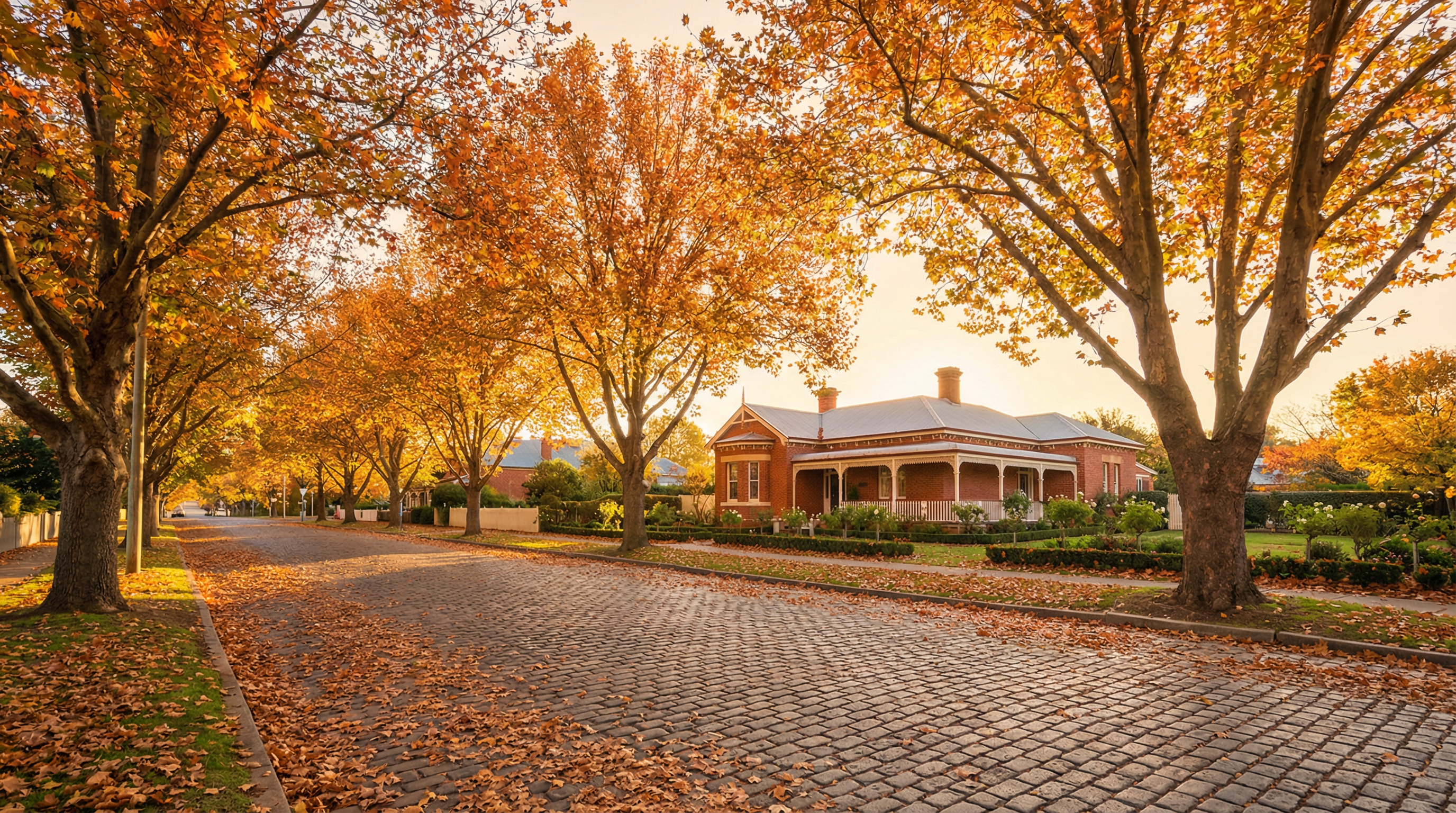
The city of Orange, often affectionately known as the "Colour City" for its stunning autumnal displays and vibrant agricultural landscape, is a jewel in the Central West region of New South Wales. Located approximately 250 kilometres west of Sydney, Orange is far more than a regional hub; it is a sophisticated, dynamic centre that perfectly balances country charm with cosmopolitan flair. Renowned for its cool-climate wine region, exceptional dining scene, and strong community spirit, Orange offers a quality of life that is increasingly drawing attention from both Sydney-siders seeking a tree-change and astute property investors. This comprehensive guide delves into the essence of Orange, providing a detailed analysis of its property market, lifestyle, education, and connectivity, to help you determine if this thriving regional city is the perfect place for your next home or investment.
Population: 41,232
Property Market Analysis: A Regional Powerhouse
The Orange property market has demonstrated remarkable resilience and growth, particularly in the wake of increased regional migration. The market is characterised by a diverse mix of housing stock, ranging from charming Federation-era homes on large blocks to modern, low-maintenance units and new housing estates on the city's fringes. This variety caters to a broad demographic, including young families, retirees, and professionals drawn to the area's strong local economy.
Current Market Metrics
As of late 2025, the median house price in Orange, NSW 2800, stands at approximately $690,000 [1] [2]. This figure reflects a steady, moderate growth trajectory over the past year, with annual capital growth hovering around 0.80% to 2.8% [2] [3]. While this growth rate may appear modest compared to the peak boom years, it signifies a healthy, sustainable market that avoids the volatility seen in some metropolitan areas. For those seeking more affordable entry points, the unit market presents a compelling alternative, with median prices typically ranging between $418,000 and $490,000 [4] [5]. The unit market has shown stronger recent capital growth, with some reports indicating a compound growth rate of up to 7.7% for units [6].
| Property Type | Median Price (Approx.) | Annual Sales Volume | Days on Market (DOM) | Rental Yield (Approx.) |
|---|---|---|---|---|
| Houses | $690,000 | ~900 | 53 days | 4.0% |
| Units | $418,000 - $490,000 | N/A | N/A | N/A |
The pace of the market is relatively balanced, with houses spending an average of 53 days on market (DOM) before sale [2]. This suggests a stable environment where buyers have time for due diligence, yet quality properties are still moving efficiently. While auction culture is less dominant than in Sydney, clearance rates for the region are estimated to be in the healthy range of 60-65%, indicating strong buyer confidence and realistic vendor expectations. The total sales volume for houses over the past 12 months has been robust, with close to 900 transactions recorded, underscoring the market's liquidity and depth [2].
Lifestyle and Amenities: The Foodie Capital of the Central West
Orange has firmly established itself as a premier lifestyle destination, driven by its exceptional culinary scene and access to natural beauty. The city is surrounded by fertile volcanic soil, which contributes to its reputation as a significant agricultural and viticultural region.
Dining and Wine
The city is a magnet for food and wine enthusiasts. The Orange Wine Region boasts over 40 cellar doors, specialising in cool-climate varieties such as Chardonnay, Pinot Noir, and Sauvignon Blanc. Prominent names like Philip Shaw Wines, Printhie Wines, and Rowlee Wines offer tasting experiences and often host events. The dining scene rivals that of inner-city suburbs, featuring award-winning restaurants such as The Union Bank Orange, Tonic Restaurant, and Mr Lim, which provide sophisticated menus focused on local produce [7]. Beyond fine dining, the city centre offers a plethora of cafes, artisanal bakeries, and farmers' markets, ensuring a vibrant and dynamic social life.
Recreation and Community
The natural landscape is dominated by Mount Canobolas, an extinct volcano that provides a stunning backdrop and offers opportunities for hiking, mountain biking, and enjoying panoramic views of the region. Within the city, residents benefit from well-maintained parks and gardens, including the Orange Botanic Gardens and Cook Park. The community is highly engaged, with numerous annual events such as the Orange F.O.O.D Week (Food of Orange District) and the Orange Wine Festival, which draw visitors from across the country and foster a strong sense of local pride. Shopping is well-catered for, with major retail centres like the Orange City Centre and Orange Central Square, complemented by boutique shops and specialty stores along Summer Street.
Schools and Education: Quality Options for All Ages
Orange is well-served by a comprehensive range of educational institutions, making it an attractive location for families. The city offers a mix of government, Catholic, and independent schools, ensuring parents have ample choice for their children's schooling journey.
Primary and Secondary Schools
The government sector includes well-regarded primary schools such as Orange Public School and Orange East Public School. For secondary education, Orange High School is the main government option.
The Catholic system is strong in Orange, with institutions like St Mary's Catholic Primary School and Catherine McAuley Catholic Primary School providing primary education. The flagship Catholic secondary school is James Sheahan Catholic High School, which is highly respected in the region [8].
In the independent sector, Kinross Wolaroi School is a prominent co-educational day and boarding school, offering education from Preparatory to Year 12. Orange Christian School is another independent option that caters to the community. The presence of these diverse and high-quality schools contributes significantly to the suburb's appeal to family buyers.
Transport and Connectivity: Bridging the Distance
While Orange is a regional centre, its connectivity is robust, providing essential links for both commerce and personal travel. The city is strategically located at the junction of the Mitchell Highway and the Mid-Western Highway.
Road and Rail
The driving distance from Orange to the Sydney CBD is approximately 253 to 259 kilometres, with a typical travel time of around 3.5 to 4 hours [9]. This makes weekend trips or occasional commutes to the metropolitan area feasible.
For public transport, Orange is serviced by NSW TrainLink. The Dubbo XPT train runs daily between Dubbo and Sydney, stopping at Orange Station. The train journey to Sydney Central Station is efficient, taking approximately 4 hours and 47 minutes to 5 hours [10]. This direct rail link is a significant asset for residents.
Local Services and Air Travel
Local public transport is managed by Orange Buslines, which operates a network of route bus services throughout the city, connecting residential areas with the CBD, schools, and major amenities. For air travel, Orange Airport (OAG) offers regular flights to Sydney, providing a quick and convenient option for business travellers or those needing faster access to the capital city.
Pros and Cons Comparison
Understanding the trade-offs is crucial for any potential buyer or investor. Orange offers a compelling mix of regional benefits, but also presents some challenges typical of a growing inland city.
| Pros | Cons |
|---|---|
| Strong Community & Lifestyle | Distance from Major CBDs |
| Renowned for its vibrant food, wine, and cultural scene, offering a high-quality social life. | The 3.5-4 hour drive to Sydney and lack of daily fast-rail commuter options can be a barrier for some. |
| Affordability Relative to Sydney | Limited Housing Stock in Prime Areas |
| Median house prices are significantly lower than Sydney, providing better value and larger land sizes. | High demand for established homes in central, sought-after pockets can lead to competitive bidding. |
| Diverse and Quality Education | Regional Job Market Limitations |
| Excellent choice of government, Catholic, and independent schools, attracting family migration. | While the local economy is strong (health, education, agriculture), specialised career opportunities may be fewer than in a capital city. |
| Robust Local Economy | Climate and Weather |
| Supported by key sectors like health, education, mining, and agriculture, ensuring employment stability. | Orange experiences cold winters with occasional snow and frost, which may not appeal to all. |
| Sustainable Market Growth | Infrastructure Strain |
| The property market exhibits steady, moderate growth and high liquidity, suggesting long-term stability. | Rapid population growth has put pressure on local infrastructure, including roads and some public services. |
Strategic Buyer's Guide for Orange
Purchasing property in Orange requires a nuanced approach that considers its unique regional dynamics. Here are 3-4 actionable tips for prospective buyers:
- ▸Target the Right Pocket for Lifestyle: Orange is a city of distinct neighbourhoods. Areas closer to the CBD, such as those near Cook Park or the hospital precinct, command a premium due to walkability and access to amenities. If your priority is a larger block and a newer home, focus on the expanding estates on the northern and eastern fringes. For wine enthusiasts, consider properties with a little more acreage towards the Mount Canobolas area.
- ▸Factor in the 'Tree-Change' Premium: Be prepared for competition from inter-state or metropolitan buyers who are less price-sensitive due to the significant equity they bring from capital city sales. This demographic often drives up prices for turn-key, high-quality homes. Focus on properties that require minor cosmetic work to secure a better entry price, as these are often overlooked by the tree-change crowd.
- ▸Engage Local Experts Early: The Orange market moves quickly, and local knowledge is paramount. Engage a local buyer's agent or a well-established solicitor who understands the nuances of regional conveyancing. They can provide insights into off-market opportunities and help navigate the competitive environment, particularly for houses with low DOM.
- ▸Verify Zoning for Future Development: Given the city's growth, check the local council's future planning and zoning for any property you are considering. Proximity to planned infrastructure upgrades or potential re-zoning for higher density could significantly impact future capital growth or quiet enjoyment of the property.
Investment Perspective: Yields and Growth Potential
Orange presents a compelling case for property investors, offering a superior balance of rental yield and capital growth potential compared to many metropolitan markets.
Rental Market Dynamics
The rental market in Orange is tight, driven by a consistent influx of professionals working in the health, education, and mining sectors, as well as students attending local campuses. The median rent for a house is approximately $550 per week [11]. This strong demand translates into healthy rental yields, with houses achieving an average yield of around 3.9% to 4.02% [11] [12]. This is notably higher than the typical yields seen in Sydney, making Orange an attractive option for cash-flow positive investments.
Capital Growth Outlook
While the recent capital growth has been moderate, the long-term outlook remains positive. Orange is a designated regional growth centre, benefiting from government investment in infrastructure and services. Its diversified economy acts as a buffer against economic downturns. The city's growing reputation as a lifestyle destination, coupled with the ongoing trend of decentralisation, suggests that demand will continue to outstrip supply, particularly for well-located properties. Investors should focus on properties near key employment hubs (hospital, university) or those with potential for subdivision (subject to council approval) to maximise long-term capital appreciation. The unit market, with its higher recent growth figures, also offers a strong investment case for those prioritising affordability and higher potential yield.
Your Next Chapter Starts Here
Orange, NSW 2800, is a city of opportunity, offering a rich tapestry of culture, commerce, and community. Whether you are a family seeking a high-quality lifestyle, a professional looking for a thriving regional career, or an investor searching for stable returns, Orange delivers on all fronts. Its property market is mature yet dynamic, providing a solid foundation for long-term wealth creation.
Ready to make your move to the Colour City?
Don't navigate the competitive Orange property market alone. The Homeowner platform provides you with the cutting-edge data, local insights, and expert connections you need to secure your dream home or investment property in Orange NSW 2800. From detailed suburb reports to connecting you with top local buyer's agents, we are your strategic partner in the tree-change journey.
Take the first step towards owning your piece of Orange's vibrant future. Visit Homeowner today and unlock your potential.
References
[1] Realestate.com.au. Orange Property Market, House Prices, Investment Data. [2] Your Investment Property Magazine (YIP). Orange, NSW 2800: Suburb Profile & Property Report. [3] Openagent. Orange Property Market and Trends - Suburb Profiles. [4] PRD. Orange Property Market Update 1st Half 2025. [5] Realestate.com.au. Real Estate & Property for Sale in Orange, NSW 2800. [6] Property.com.au. Orange Suburb Profile and Property market. [7] Marie Claire. The Orange Edit: Where to Eat, Drink and Stay Now. [8] James Sheahan Catholic High School. Home. [9] Rome2rio. Orange to Sydney CBD - 6 ways to travel via train, bus, car.... [10] Transport NSW. Sydney to Orange by train. [11] Realestateinvestar.com.au. Investment Property Orange, NSW, 2800. [12] PRD. Orange Property Market Update 2nd Half 2025.
More from Love Livin' series

Love Livin' in Bronte NSW 2024: Your Complete Suburb Guide
Bronte NSW 2024 offers exclusive beachside living with a family-friendly atmosphere, stunning ocean pool, and strong community spirit.

Love Livin' in Potts Point NSW 2011: Your Complete Suburb Guide
Potts Point NSW 2011 combines inner-city sophistication with bohemian charm, offering excellent dining and vibrant nightlife.

Love Livin' in Darlinghurst NSW 2010: Your Complete Suburb Guide
Darlinghurst NSW 2010 offers cultural and arts district with excellent amenity and lifestyle options.