Love Livin’ in Mount Barker SA 5251
Prefer Homeowner Blog in Google Search
Love Livin’ in Mount Barker SA 5251
Mount Barker is the Adelaide Hills’ largest town: a busy regional centre with a distinctly country feel, surrounded by farming land, historic townships and vineyard country. The broader Mount Barker District Council area sits between 20 and 45 kilometres south-east of Adelaide’s CBD, with Mount Barker, Littlehampton and Nairne forming a close-knit urban cluster. 1
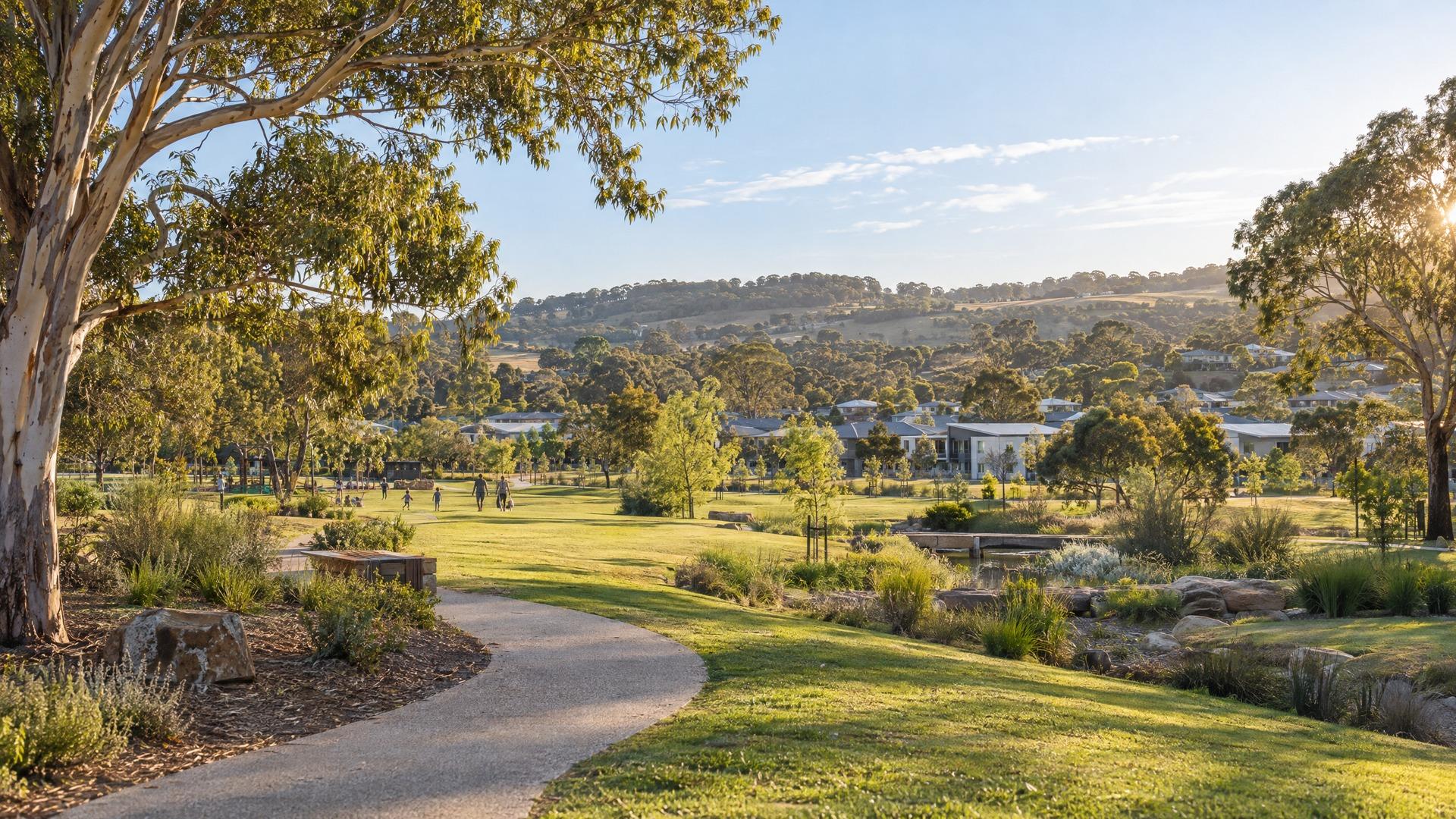
That setting gives Mount Barker a useful balance. There is a genuine town centre, everyday shopping and community infrastructure, while open landscapes, walking spots and food-and-drink destinations are close by. It is a place where a Saturday can move from coffee on the main street to a wetland walk or a drive through the hills without feeling like a major expedition. 2
A growing hills town with a strong local identity
Mount Barker’s character comes from its position between suburban Adelaide and the agricultural Adelaide Hills. The district’s land uses are predominantly rural, with rural-residential areas and rapidly growing urban areas. Farming, crop growing and some viticulture remain part of the wider landscape, alongside historic townships such as Hahndorf and Nairne. 1
The town also has a clear regional role. Mount Barker’s central business district, TAFE SA Mount Barker Campus, health and shopping services, recreation facilities and nearby employment destinations make it more than a dormitory suburb. The South Eastern Freeway and Princes Highway serve the district, while Adelaide Metro’s SouthLink provides bus services in the Hills region. 1 3
Everyday lifestyle and amenities
Daily life is anchored by the Mount Barker town centre and its surrounding retail areas. South Australian tourism information describes a tree-lined main street with boutique shops, cafés and local pubs, while the district’s agricultural setting supports access to local produce and food-and-drink destinations. The Adelaide Hills Farmers Market is held on Saturday mornings near the main street, according to the state tourism guide. 2
Recreation is unusually visible in the town’s everyday routine. Mount Barker District Council lists playgrounds, skate parks, a swimming pool, a park finder, the Summit Sport and Recreation Park and the Adelaide Hills Recreation Centre among local facilities. The Mount Barker Community Centre also offers courses, activities and services across the district and Adelaide Hills region. 4
Public transport exists in several forms, although the exact experience depends on where a home sits. SouthLink buses connect Hills communities, and council lists a Mount Barker Shopping Shuttle for residents travelling to the town-centre shops. Keoride, an on-demand shuttle trial, has operated across Mount Barker, Nairne and Littlehampton, using meeting points including Park ’n’ Rides on Dumas Street and Dutton Road. Check current routes and timetables before relying on any service. 3
Parks, trails and local highlights
Keith Stephenson Park is a practical heart-of-town green space, with open lawns, shady trees, walking paths, picnic areas and a fully fenced playground. Its location close to the centre makes it an easy option for a short walk, a family outing or a pause between errands. 5
Laratinga Wetlands is one of the district’s better-known nature destinations, and the state tourism guide recommends the linear trail towards the wetlands for bird-watching. The same guide highlights Mount Barker Summit for broad Adelaide Hills views, as well as nearby wineries, Prancing Pony Brewery and local farm and food experiences. 2
For a more bush-focused outing, Totness Recreation Park lies near Mount Barker, about 33 kilometres south-east of Adelaide. It protects remnant stringybark, blue gum and manna gum woodlands and is popular for bushwalking and bird-watching. The park also contains an historic dam built in 1884 to supply water to steam locomotives. There are no facilities in the park, dogs must be on a lead, and closures can apply on days of extreme or catastrophic fire danger. 6
The area’s cultural texture extends beyond nature. Heritage buildings in nearby townships, the SteamRanger Heritage Railway, local wineries and community events add variety without requiring a trip into the city. 1 2
Homes and neighbourhood choices
The address matters greatly in Mount Barker. Buyers may encounter established township streets, newer urban neighbourhoods, rural-residential properties and larger rural holdings across the broader district. The community profile describes Mount Barker as the major township, with Littlehampton and Nairne nearby, and identifies a mix of rapidly growing urban areas, rural-residential land and predominantly rural country. 1
That creates different lifestyle trade-offs. A more central home can make town-centre shopping, parks and community facilities easier to reach. A newer growth-area address may offer contemporary streetscapes and planned open space, but buyers should understand what is already complete and what remains proposed. A rural-residential or rural property can provide more land and a stronger open-country setting, while bringing a different level of maintenance and service access.
Views, slope, orientation, street connectivity and proximity to main roads can all change the feel of a property. Compare the exact street rather than relying on the suburb name alone.
Practical considerations for prospective buyers
Start with the council’s planning and development resources. Mount Barker District Council provides development and planning policies, a development applications register, notified developments and rural property addressing information. These are useful places to understand the planning context around a particular address and to distinguish an existing feature from a future proposal. 7
Transport should be assessed at the property level. Look at the walking connection to a bus stop, the frequency of the relevant SouthLink service and the practicality of reaching shops or schools without a car. Council’s transport page links to Adelaide Metro’s journey planner and identifies local shuttle options, but services and operating arrangements can change. 3
The Hills setting also makes seasonal conditions part of ordinary due diligence. Nearby Totness Recreation Park can close during high fire-danger conditions, and the park service directs visitors to current CFS warnings and fire information. Prospective buyers should independently check the relevant property’s bushfire, access, vegetation, drainage and utility circumstances rather than assuming that every Mount Barker address carries the same conditions. 6
Finally, compare established areas with evolving growth precincts. Council’s project and planning pages identify ongoing infrastructure, city-centre and road programs. 7
Mount Barker’s strength is its combination of useful town infrastructure and recognisable Adelaide Hills character. With cafés, community facilities, recreation and countryside all part of the weekly rhythm, it offers a varied setting for homeowners who want room to live locally while staying connected to Adelaide.
References
More from Love Livin' series

Love Livin' in Bronte NSW 2024: Your Complete Suburb Guide
Bronte NSW 2024 offers exclusive beachside living with a family-friendly atmosphere, stunning ocean pool, and strong community spirit.

Love Livin' in Potts Point NSW 2011: Your Complete Suburb Guide
Potts Point NSW 2011 combines inner-city sophistication with bohemian charm, offering excellent dining and vibrant nightlife.

Love Livin' in Darlinghurst NSW 2010: Your Complete Suburb Guide
Darlinghurst NSW 2010 offers cultural and arts district with excellent amenity and lifestyle options.