How to Spot Unsuitable Soil or Structural Red Flags
Prefer Homeowner Blog in Google Search
How to Spot Unsuitable Soil or Structural Red Flags
Buying a home is one of the biggest financial commitments most Australians will ever make, but beneath a fresh coat of paint and stylish renovations, hidden problems can be waiting to surface. Property experts say that recognising early warning signs of unsuitable soil conditions or structural defects could save buyers tens of thousands of dollars in unexpected repairs.
Across Australia, homes are built on a wide variety of soil types, ranging from stable sandy ground to highly reactive clay. While many properties perform well for decades, changes in moisture levels, poor drainage and ageing foundations can all contribute to movement beneath a home. The result is often visible in the form of cracking walls, uneven floors and doors or windows that suddenly become difficult to open or close.
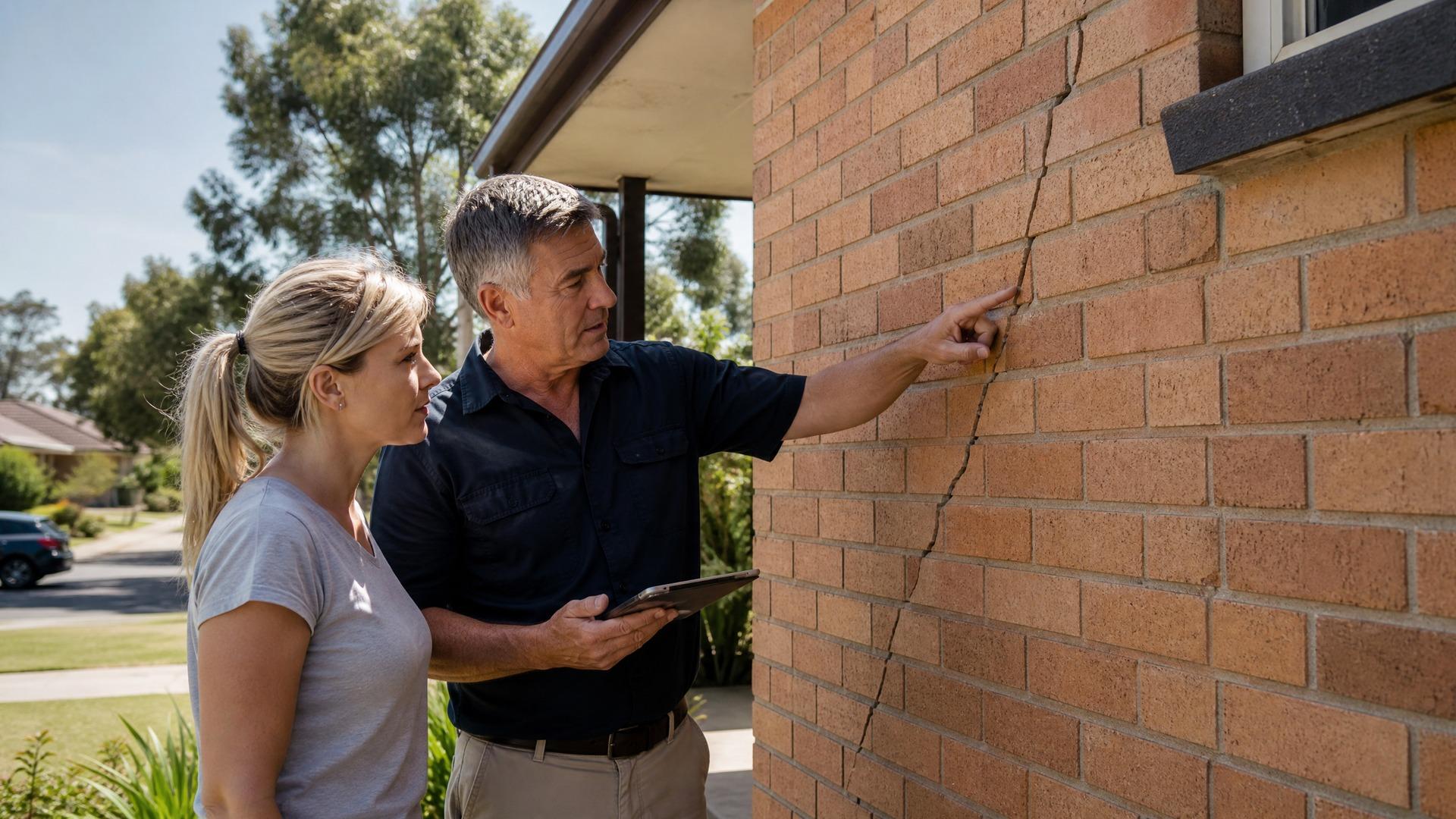
Industry professionals say buyers should pay close attention during inspections rather than focusing solely on cosmetic features. Hairline cracks can be a normal part of a building settling over time, but larger cracks, particularly those that run diagonally through brickwork or continue across walls and ceilings, may indicate more significant structural movement.
The most expensive property problems are often the ones hiding beneath your feet.
What to Look for Outside the Home
Outside the home, the condition of the surrounding land can reveal just as much as the building itself. Large cracks in the soil, pooling water after rain, retaining walls that are leaning and evidence of erosion can all point to underlying issues. Homes built on reactive clay soils are particularly susceptible to seasonal movement as the ground expands during wet periods and contracts in dry conditions.
Buyers should also inspect the property's drainage. Water should naturally flow away from the home rather than collecting around the foundations. Blocked gutters, damaged downpipes or poor site grading can gradually weaken the ground supporting the structure, increasing the risk of foundation movement over time.
Warning Signs Inside the Property
Inside the property, uneven or sloping floors deserve careful attention. While older homes may have slight imperfections, noticeable movement underfoot or significant differences in floor levels could indicate foundation settlement or deterioration of supporting structures. Likewise, doors that stick, windows that no longer close properly and visible gaps around frames can all be clues that the building has shifted.
The Importance of Professional Inspections
Experts recommend that buyers never rely solely on a standard open home inspection when concerns arise. A professional building and pest inspection remains one of the most valuable investments before signing a contract, and where structural concerns are identified, a structural engineer's assessment may provide greater certainty about the severity of any issues and the likely cost of repairs.
Making an Informed Decision
While not every crack or uneven surface signals a major defect, understanding what to look for can help buyers make informed decisions and negotiate confidently. In a competitive property market, taking the time to investigate potential warning signs may be the difference between purchasing a dream home and inheriting an expensive problem.
Ready to buy with confidence? Homeowner's Buyer Assist platform connects you with expert buyers agents who can guide you through every step of the purchase process — including knowing when to walk away.
More from Buyers

How to Choose Between House and Townhouse in Your Budget
Discover the key differences between houses and townhouses to make an informed property decision. Compare costs, lifestyle factors, and investment potential to find the perfect fit for your budget and goals.

What Family Home Buyers Must Understand Before Committing
As Australia's housing market continues to move at a frantic pace in 2026, family home buyers are increasingly finding themselves making decisions under intense time pressure.

Time Pressure Is Causing Costly Mistakes for Family Home Buyers
Whether the rush is caused by a job relocation, an expiring lease or fear of missing out in a competitive market, the consequences of hasty decisions can be significant.