How Public Transport Upgrades Can Boost Your Home Value
Prefer Homeowner Blog in Google Search
How Public Transport Upgrades Can Boost Your Home Value
For many property buyers, location has always been one of the biggest drivers of value. Increasingly, however, it's not just where a home is today that matters — it's where governments are investing for tomorrow. Across Australia, major public transport upgrades are transforming suburbs, improving accessibility and, in many cases, contributing to stronger property values over time.
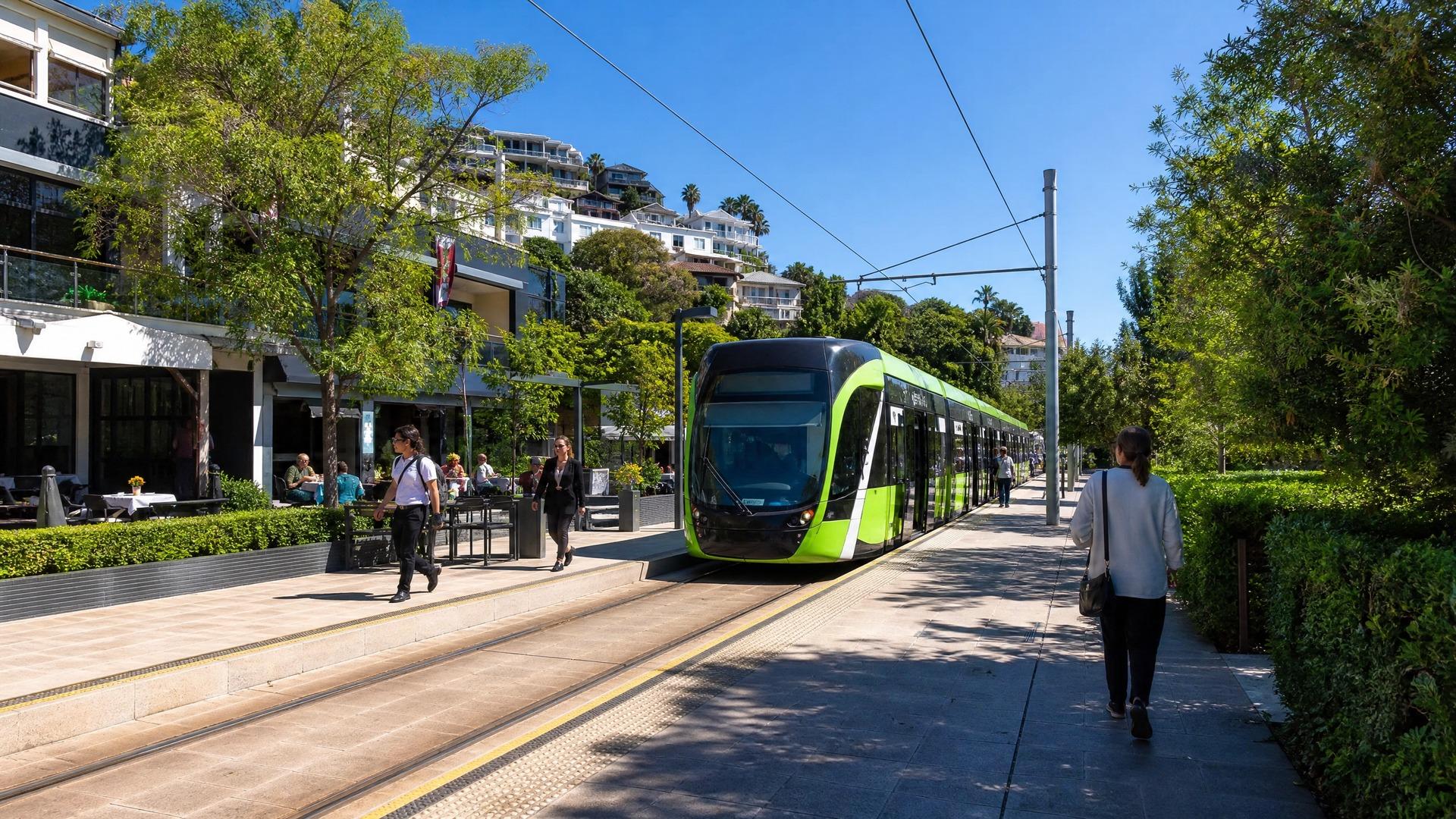
Whether it's a new train station, light rail extension, bus rapid transit corridor or improved commuter connections, transport infrastructure is often viewed as a catalyst for neighbourhood growth. While no project can guarantee capital gains, property analysts consistently point to improved connectivity as a factor that can increase buyer demand and strengthen the long-term appeal of an area.
Understanding the Value of Future Connectivity
For buyers entering the market, understanding planned transport upgrades can provide valuable insight into a suburb's future potential. Properties located within convenient walking distance of quality public transport have historically attracted broad appeal from owner-occupiers, investors and tenants alike. Shorter commute times, easier access to employment hubs and greater lifestyle convenience often become significant selling points when it comes time to move or resell.
Large infrastructure projects can also stimulate wider investment within surrounding communities. New retail precincts, cafés, schools, parks and commercial developments frequently follow improved transport links, creating more vibrant neighbourhoods that appeal to a diverse range of buyers. As these amenities expand, demand for housing in the area may also increase.
"The right transport upgrade doesn't just change how people travel — it can transform how buyers value an entire suburb."
Balancing Opportunity with Caution
That said, experts caution buyers against making purchasing decisions based solely on announced infrastructure projects. Construction timelines can change, project scopes may be revised, and anticipated value growth is never guaranteed. Buyers should instead consider transport improvements as one element within a broader assessment that includes affordability, local amenities, employment opportunities, school catchments and long-term lifestyle needs.
Research remains essential before committing to a purchase. Local council planning documents, state government infrastructure announcements and suburb-level market trends can all provide valuable information about how an area is expected to evolve. Working with experienced property professionals can also help buyers distinguish between genuine growth opportunities and speculative expectations.
Practical Benefits Beyond Resale Value
Improved public transport may also offer practical financial benefits beyond future resale value. Homes with strong transport connections can reduce reliance on multiple vehicles, lower commuting costs and provide greater flexibility for households with varying work and lifestyle arrangements. These everyday advantages often contribute to ongoing demand from future buyers.
As Australia's cities continue to grow, governments are investing billions of dollars into expanding transport networks to support increasing populations. Buyers who understand how these projects influence liveability and market demand may be better positioned to make informed purchasing decisions that align with both their lifestyle goals and long-term financial objectives.
Looking Beyond Today's Streetscape
Ultimately, successful property buying is about looking beyond today's streetscape and considering how a suburb may develop over the coming years. While transport infrastructure alone is not a guarantee of higher property values, it remains one of the many indicators buyers can use to assess future potential. By combining careful research with professional guidance, buyers can approach the market with greater confidence and identify locations that offer both immediate convenience and promising long-term appeal.
Buyer Assist gives buyers structured guidance, market-backed insights, and expert support at every stage of the buying process — so decisions are driven by numbers, not noise. From assessing suburb potential to avoiding costly mistakes, Buyer Assist helps you act with confidence and precision.
More from Buyers

How to Choose Between House and Townhouse in Your Budget
Discover the key differences between houses and townhouses to make an informed property decision. Compare costs, lifestyle factors, and investment potential to find the perfect fit for your budget and goals.

What Family Home Buyers Must Understand Before Committing
As Australia's housing market continues to move at a frantic pace in 2026, family home buyers are increasingly finding themselves making decisions under intense time pressure.

Time Pressure Is Causing Costly Mistakes for Family Home Buyers
Whether the rush is caused by a job relocation, an expiring lease or fear of missing out in a competitive market, the consequences of hasty decisions can be significant.