How Electric & EV Infrastructure Affects Buyer Decisions
Prefer Homeowner Blog in Google Search
How Electric & EV Infrastructure Affects Buyer Decisions
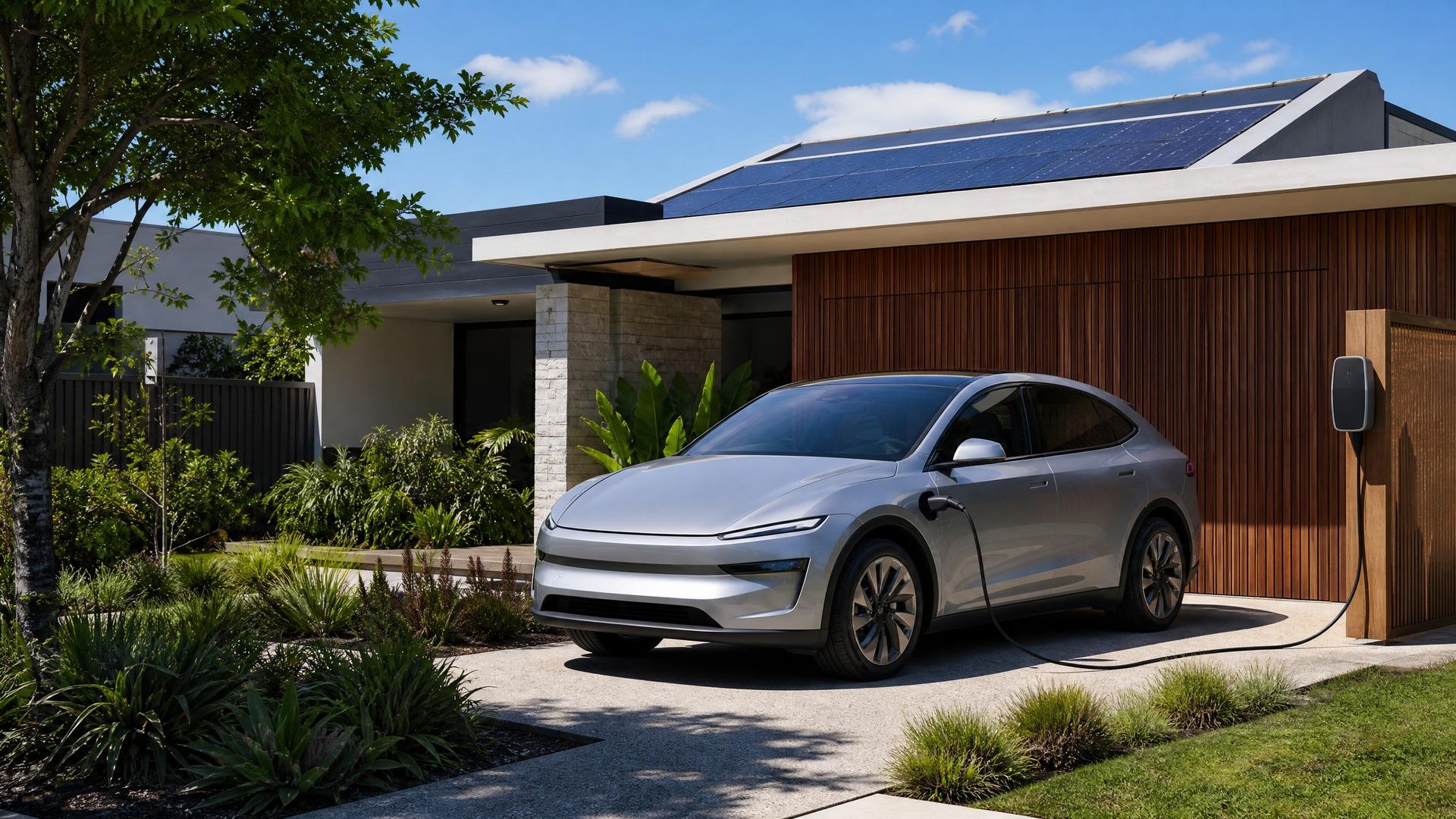
As electric vehicles become increasingly common on Australian roads, property buyers are starting to look beyond traditional features such as kitchens, bathrooms and outdoor space when assessing a home's long-term appeal. Access to EV charging infrastructure is emerging as a practical consideration for buyers, particularly those planning to make the switch to an electric vehicle in the coming years.
The shift reflects a broader change in how Australians think about the relationship between their homes and their transport needs. For homeowners with an electric vehicle, convenient charging can be an important part of everyday life. A property with suitable off-street parking and the ability to install a home charger may therefore hold additional appeal compared with a similar property where charging is more difficult.
For buyers, the issue is not necessarily whether a property already has a dedicated EV charger. The availability of suitable electrical infrastructure, parking arrangements and the practical ability to install charging equipment can all influence how future-ready a property feels.
Apartments and townhouses present a different set of considerations. Shared garages and strata-managed parking areas can make EV charging more complicated, with installation potentially requiring approval and coordination between owners, building managers and electrical contractors. Buyers considering strata properties may therefore want to investigate whether the building has existing charging facilities or plans to accommodate future demand.
"For the next generation of buyers, a property's charging potential could become as practical a consideration as its parking space."
Infrastructure beyond the property itself is also influencing purchasing decisions. The availability of public charging stations can make certain locations more attractive to EV owners, particularly for households without dedicated off-street parking. Buyers may increasingly consider proximity to fast-charging facilities, shopping centres, workplaces and major transport routes when assessing a property's overall convenience.
However, buyers should avoid assuming that EV infrastructure automatically adds a specific premium to a property's value. Market demand varies considerably between locations, and charging capability remains just one factor among many that influence purchasing decisions.
There are also practical questions buyers should ask before investing in charging equipment. Electrical capacity, charger compatibility, installation costs and the location of the switchboard can all affect whether a home can easily accommodate a charging system. Older properties may require electrical upgrades, while apartment owners may face additional approval requirements.
For property buyers, these considerations highlight the importance of thinking beyond immediate needs. A buyer who does not currently own an electric vehicle may still benefit from considering whether the property could accommodate one in the future. As vehicle technology develops and household preferences change, flexible infrastructure may become increasingly useful.
The growing focus on EV readiness is part of a wider trend towards homes that support changing lifestyles and technologies. Solar panels, battery storage, smart energy systems and efficient appliances are already influencing how some buyers assess properties, while EV charging capability is becoming another element of that conversation.
Ultimately, buyers should view EV infrastructure as one component of a property's overall suitability rather than a standalone reason to purchase. Location, affordability, condition, layout and future resale appeal remain critical considerations.
But for buyers thinking several years ahead, assessing how easily a property can adapt to changing transport and energy needs could provide an additional layer of insight. As electric vehicles become a more familiar part of everyday life, homes that can accommodate the technology may increasingly stand out to buyers looking for convenience, flexibility and long-term practicality.
More from Buyers

How to Choose Between House and Townhouse in Your Budget
Discover the key differences between houses and townhouses to make an informed property decision. Compare costs, lifestyle factors, and investment potential to find the perfect fit for your budget and goals.

What Family Home Buyers Must Understand Before Committing
As Australia's housing market continues to move at a frantic pace in 2026, family home buyers are increasingly finding themselves making decisions under intense time pressure.

Time Pressure Is Causing Costly Mistakes for Family Home Buyers
Whether the rush is caused by a job relocation, an expiring lease or fear of missing out in a competitive market, the consequences of hasty decisions can be significant.