House or Townhouse? Buyers Weigh Up Value as Budgets Tighten
Prefer Homeowner Blog in Google Search
House or Townhouse? Buyers Weigh Up Value as Budgets Tighten
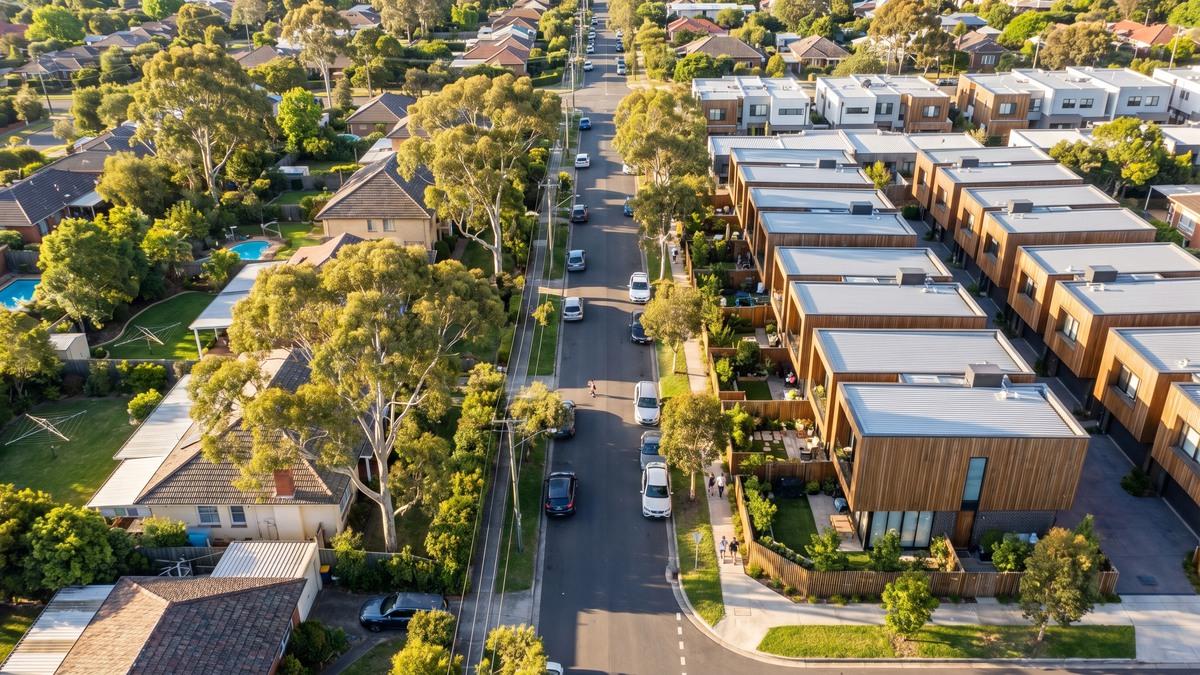
As property prices continue to challenge buyers across Australia, the decision between purchasing a standalone house or a townhouse has become more than a lifestyle choice — it's a financial strategy. With affordability in front of mind, many prospective homeowners are reassessing what they truly need versus what they can realistically secure within their budget.
Traditionally, freestanding houses have been seen as the gold standard of property ownership. They offer space, privacy, and land — an asset that typically appreciates over time. For families or buyers planning long-term, the appeal is clear. A backyard, room to expand, and distance from neighbours are often non-negotiables. However, these benefits come at a premium, particularly in metropolitan areas where land is scarce and demand remains high.
Townhouses, on the other hand, have emerged as a practical alternative for buyers priced out of the detached housing market. Often located in well-connected suburbs closer to city centres, they provide a balance between space and affordability. While they may lack the expansive land of a traditional house, modern townhouses are increasingly designed with functionality and lifestyle in mind, offering multiple levels, contemporary finishes, and low-maintenance living.
The financial considerations extend beyond the purchase price. Houses typically require higher upfront costs, including deposits, stamp duty, and ongoing maintenance. Gardens, roofing, and structural upkeep can add to long-term expenses. Townhouses, while generally more affordable to purchase, may come with strata or body corporate fees, which cover shared spaces and maintenance but still impact overall affordability.
"For many buyers, the real question is not what they prefer — but what best aligns with their financial reality and long-term goals."
Location also plays a pivotal role in the decision-making process. Buyers opting for a house may need to look further from city centres, where land is more accessible and prices are lower. This can mean longer commutes and fewer nearby amenities. In contrast, townhouses are often strategically developed in areas with strong infrastructure, access to public transport, and proximity to shops, schools, and employment hubs.
Lifestyle preferences are equally important. A house may suit those seeking space for a growing family, pets, or future renovations. Meanwhile, a townhouse can appeal to professionals, downsizers, or first-time buyers who prioritise convenience and reduced maintenance over land size.
Market trends suggest that townhouses are becoming increasingly popular, particularly among younger buyers entering the market. As urban density increases and affordability pressures persist, this segment is expected to grow, offering a middle ground between apartments and detached homes.
Ultimately, the choice between a house and a townhouse comes down to a careful evaluation of budget, lifestyle, and long-term plans. Buyers are encouraged to consider not just the purchase price, but the total cost of ownership and how each option fits into their broader financial picture.
More from Buyers

How to Choose Between House and Townhouse in Your Budget
Discover the key differences between houses and townhouses to make an informed property decision. Compare costs, lifestyle factors, and investment potential to find the perfect fit for your budget and goals.

What Family Home Buyers Must Understand Before Committing
As Australia's housing market continues to move at a frantic pace in 2026, family home buyers are increasingly finding themselves making decisions under intense time pressure.

Time Pressure Is Causing Costly Mistakes for Family Home Buyers
Whether the rush is caused by a job relocation, an expiring lease or fear of missing out in a competitive market, the consequences of hasty decisions can be significant.