Home Features Buyers Are Looking for in 2026
Prefer Homeowner Blog in Google Search
Home Features Buyers Are Looking for in 2026
As Australia's property market continues to evolve, buyer expectations are changing just as quickly. While location remains one of the most important factors influencing purchasing decisions, industry professionals say the features buyers prioritise inside the home are shifting in response to lifestyle changes, technology adoption, rising energy costs, and changing work patterns.
For property sellers preparing to enter the market in 2026, understanding these trends could make a meaningful difference to buyer interest, inspection attendance, and ultimately sale outcomes.
One of the strongest trends emerging across the market is the growing demand for flexible living spaces. Buyers are increasingly seeking homes that can adapt to multiple purposes, particularly as hybrid work arrangements remain common. Dedicated home offices continue to attract attention, but multipurpose rooms that can function as study spaces, guest accommodation, or children's activity areas are proving equally appealing.
Energy efficiency is also moving from a desirable bonus to an expected feature. Rising utility costs and growing environmental awareness are encouraging buyers to place greater value on solar systems, energy-efficient appliances, quality insulation, double glazing, and smart climate control technologies. Homes that offer lower ongoing operating costs are increasingly standing out during the comparison process.
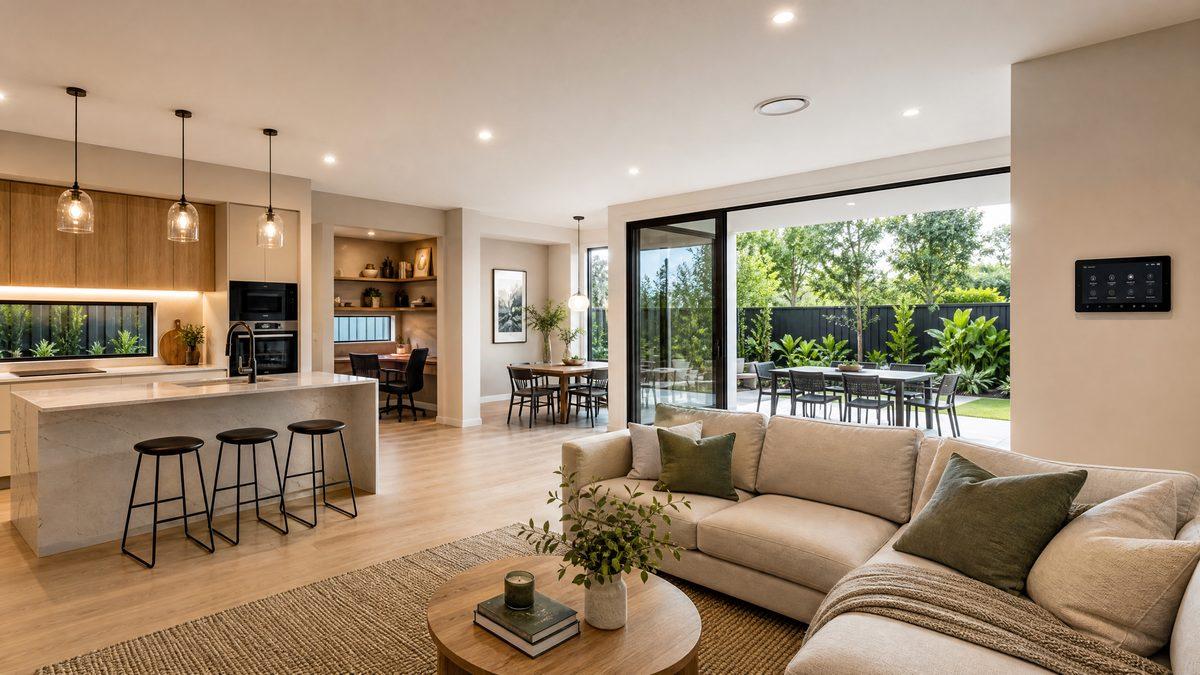
Outdoor living continues to be highly sought after, particularly among families and lifestyle-focused buyers. Well-designed entertaining areas, covered patios, landscaped gardens, and functional outdoor spaces remain key selling points. Rather than focusing solely on property size, many buyers are prioritising how effectively outdoor areas can be used throughout the year.
Today's buyers are not just purchasing a property — they are investing in convenience, flexibility, efficiency, and lifestyle.
Technology integration is becoming another significant consideration. Smart home features such as app-controlled lighting, security systems, video doorbells, smart locks, and automated climate controls are gaining popularity across a broad range of buyer demographics. While not always deal-makers on their own, these features can contribute to a property's overall appeal and modern presentation.
Storage solutions are also attracting increased attention. As homeowners seek to maximise functionality, built-in storage, walk-in pantries, garage organisation systems, and practical cupboard space are often viewed as valuable additions. Buyers are becoming more conscious of how a home supports everyday living rather than simply focusing on aesthetics.
Kitchen and bathroom presentation remains influential, but buyer preferences are evolving. Rather than luxury finishes alone, many purchasers are looking for practical layouts, quality workmanship, and spaces that require minimal immediate renovation. Move-in-ready properties continue to attract strong interest, particularly among busy professionals and first-home buyers.
Location-related lifestyle features are also shaping purchasing decisions. Proximity to schools, public transport, healthcare facilities, shopping centres, parks, and recreational amenities remains highly desirable. Increasingly, buyers are assessing not only the home itself but also the convenience and liveability of the surrounding community.
Industry professionals note that wellness-focused features are becoming more prominent as well. Natural light, good ventilation, outdoor connectivity, and thoughtfully designed living spaces are influencing how buyers perceive comfort and long-term liveability. Homes that create a sense of space and wellbeing often generate stronger emotional connections during inspections.
Importantly, sellers do not necessarily need major renovations to align with these trends. Often, presenting existing features effectively, improving functionality, and highlighting lifestyle benefits can have a significant impact on buyer perception.
As market conditions continue to evolve throughout 2026, buyer expectations are likely to remain closely tied to lifestyle, practicality, and long-term value. Sellers who understand these priorities and position their properties accordingly may be better placed to attract stronger interest and achieve more competitive results.
Ultimately, the homes generating the greatest attention are those that reflect how people live today — and how they expect to live in the years ahead.
More from Sellers

Why Pricing Smarter Is Selling Faster
In a property market marked by fluctuating confidence and increasingly data-savvy buyers, Australia's leading real estate agents say the key to a successful sale comes down to one skill above all others: accurate pricing.
Why Pricing Smarter Is Selling Faster.
In a property market marked by fluctuating confidence and increasingly data-savvy buyers, Australia's leading real estate agents say the key to a successful sale comes down to one skill above all others: accurate pricing. While presentation, marketing, and negotiation play significant roles, setting the wrong price on day one remains the single biggest factor derailing campaigns.
When Your Agent Isn't Measuring Up.
In a property market where precision, presentation and strategy dictate success, Australian home sellers are becoming increasingly alert to a growing issue: agents who simply aren't delivering on their promises. While many agents operate at high professional standards, industry analysts warn that a surprising number of sellers still find themselves locked into campaigns plagued by poor communication, weak marketing and ineffective negotiation - all of which can drag down the final sale price.