Love Livin' in Hobart TAS 7000: Your Complete Suburb Guide
Prefer Homeowner Blog in Google Search
Love Livin' in Hobart TAS 7000: Your Complete Suburb Guide
Meta Description: Discover Hobart 7000, the vibrant heart of Tasmania. Explore its historic waterfront, thriving property market, top schools, and unique city lifestyle.
| Median House Price | Distance to CBD | Population |
|---|---|---|
| $1.10M | 0 km | 3,390 |
Introduction
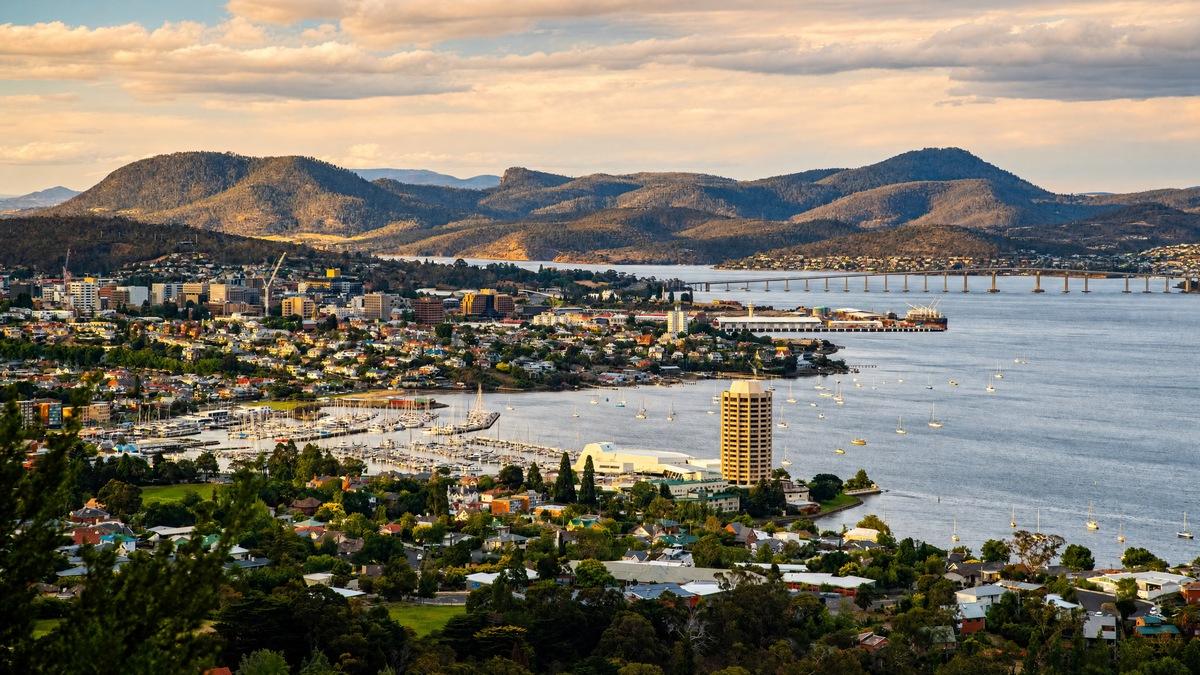
Hobart, postcode 7000, is not merely a suburb; it is the vibrant, historic, and cultural heart of Tasmania's capital city. Nestled at the foot of the majestic Kunanyi/Mount Wellington and hugging the western shore of the Derwent River, Hobart's central area is a unique blend of colonial-era architecture, bustling modern commerce, and stunning natural beauty. The postcode 7000 primarily encompasses the central business district (CBD) and the immediate surrounding areas, including the iconic Salamanca Place and the historic Battery Point precinct, offering a lifestyle that is distinctly urban yet intimately connected to nature.
The character of Hobart 7000 is defined by its maritime history and its role as a governmental and cultural hub. The city’s layout is a testament to its past, with narrow, winding streets giving way to grand sandstone buildings and the bustling docks of Sullivans Cove. This area serves as the primary employment and entertainment precinct for the greater Hobart region, attracting a diverse community of young professionals and long-term residents who cherish the convenience of inner-city living. The atmosphere is one of sophisticated, small-city charm, where a five-minute walk can take you from a high-end restaurant to a quiet, historic laneway.
Community demographics within the 7000 postcode reflect its central nature. While the residential population is relatively small, it is highly concentrated and transient, with a significant proportion of renters and apartment dwellers. The overall appeal is the unparalleled access to amenities. Residents are within walking distance of the State Parliament, the Royal Tasmanian Botanical Gardens, and the world-renowned Museum of Old and New Art (MONA) ferry terminal. This central location provides a lifestyle of convenience and cultural richness that is unmatched elsewhere in Tasmania, making it a highly desirable, albeit exclusive, place to call home.
Understanding Hobart's Property Market
The property market in Hobart 7000 is one of the most tightly held and competitive in Tasmania, characterized by a mix of historic terraces, modern apartment complexes, and a few grand, older homes. The median house price, sitting around $1.10M, reflects the premium placed on inner-city living, though this figure can be heavily skewed by the limited number of house sales. The market is more accurately represented by the strong performance of units and apartments, which cater to the majority of the residential population in the CBD.
A detailed analysis of property prices by bedroom count reveals a clear premium for space. While two-bedroom apartments might hover around the $700,000 to $850,000 mark, three-bedroom houses, which are rare, often exceed $1.2 million. The scarcity of traditional houses means that demand far outstrips supply, leading to high competition. Market trends show a consistent upward trajectory over the past decade, driven by interstate migration and the city's growing reputation as a desirable place to live. Days on market (DOM) are typically very low, often under 30 days, indicating a fast-moving market where buyers must act quickly.
Clearance rates, particularly for auctions in the surrounding inner-city suburbs like Battery Point and Sandy Bay, are robust, often exceeding 70%, further cementing the market's strength. Historical growth has been significant, with Hobart experiencing one of the strongest capital gains periods in Australia in the mid-to-late 2010s. The future outlook remains positive, supported by ongoing infrastructure projects, a stable local economy, and the enduring appeal of the city's lifestyle. While price growth may moderate from the peak years, the central location ensures that property in Hobart 7000 will continue to be a secure and valuable asset.
What Makes Hobart Special: Lifestyle and Amenities
The lifestyle offered by Hobart 7000 is defined by its proximity to the water, its cultural institutions, and its world-famous food and beverage scene. The suburb is a walker's paradise, with virtually every amenity accessible on foot.
The Waterfront and Salamanca Place: The heart of the social scene is Sullivans Cove and the adjacent Salamanca Place. The historic sandstone warehouses of Salamanca are now home to art galleries, theatres, restaurants, and bars. Every Saturday, the Salamanca Market transforms the area into a bustling hub of local produce, crafts, and street food, drawing crowds from across the state and beyond. The waterfront itself is a working port, providing a constant visual connection to the sea, with fishing boats, yachts, and the occasional Antarctic research vessel moored alongside.
Cafes and Restaurants: Hobart's culinary reputation has soared, and the 7000 postcode is its epicenter. From fine dining establishments like Fico and The Glass House to casual, high-quality cafes tucked away in Battery Point, the options are endless. Local favourites include the bustling coffee shops on Elizabeth Street and the seafood restaurants lining the docks, which serve up fresh Tasmanian produce daily. The density of high-quality eateries makes dining out a central part of the local lifestyle.
Parks and Green Spaces: Despite its urban density, Hobart 7000 offers several accessible green spaces. The Royal Tasmanian Botanical Gardens, located just a short distance from the CBD, provides a tranquil escape with stunning views of the Derwent River. Closer to the centre, St David's Park offers a historic, tree-lined space for relaxation, while the vast wilderness of Kunanyi/Mount Wellington is a constant, looming presence, offering endless opportunities for hiking, mountain biking, and enjoying nature just a 20-minute drive away.
Shopping and Community Facilities: Retail in the CBD is centered around the Elizabeth Street Mall and the surrounding arcades, offering a mix of major department stores and unique local boutiques. For community facilities, the Hobart Aquatic Centre is a major draw, and the State Library of Tasmania provides a central resource for learning and community engagement. The Theatre Royal, Australia's oldest continuously operating theatre, and the Tasmanian Museum and Art Gallery (TMAG) anchor the cultural life of the area, providing year-round entertainment and exhibitions.
Schools and Education
Hobart offers excellent educational options for families, though many of the larger schools are located in the adjacent suburbs of Sandy Bay and North Hobart, all within easy reach of the 7000 postcode. The city centre itself is home to key institutions, providing diverse choices from government to independent schooling.
| School Name | Type | Level | Students | Special Features |
|---|---|---|---|---|
| Hobart City High School | Government | Secondary | ~850 | Co-educational, Years 7-12, central location |
| St Michael's Collegiate School | Independent | Primary/Secondary | ~800 | Girls' school, ELC to Year 12, strong academic focus |
| The Friends' School | Independent | Primary/Secondary | ~1,300 | Co-educational, Quaker values, extensive campus |
| South Hobart Primary School | Government | Primary | ~350 | Highly regarded, close proximity to the CBD |
The educational quality and accessibility in the Hobart area are high. Tasmania's education system is well-regarded, and the proximity of the University of Tasmania's main campuses makes Hobart a prime location for families prioritizing education from primary school through to tertiary level. The independent schools, such as St Michael's Collegiate and The Friends' School, are known for their strong academic results, extensive co-curricular programs, and historic traditions. Government schools like Hobart City High School provide a comprehensive, modern curriculum in a diverse, inner-city setting. The concentration of educational resources ensures that residents of Hobart 7000 have access to some of the best schooling options in the state.
Transport and Connectivity
As the central hub of Tasmania, Hobart 7000 boasts the best transport connectivity in the state, though it is also subject to the congestion typical of a capital city.
Public Transport: The city does not have a train network, but it is the central terminus for the extensive Metro Tasmania bus network. The Hobart Bus Mall, located in the CBD, is the focal point for all major bus routes, connecting the city centre to the northern, eastern, and southern suburbs. This makes commuting via public transport highly efficient for those working in the CBD and living further afield.
Major Roads and Freeway Access: The Brooker Highway (A6) is the main arterial road connecting the CBD to the northern suburbs, while the Southern Outlet (A6) provides a direct link to the southern suburbs and Kingston. The Tasman Bridge is the critical link to the Eastern Shore suburbs. Commute times are generally manageable compared to mainland capital cities, though peak hour traffic across the Tasman Bridge and on the Brooker Highway can be challenging. For residents of Hobart 7000, the commute is often a walk or a short bus ride.
Parking: Parking in the CBD is notoriously difficult and expensive. On-street parking is limited and heavily regulated, and off-street car parks, while plentiful, come at a premium. This factor strongly encourages residents and workers to utilize public transport, cycle, or walk, contributing to the city's vibrant pedestrian life.
Ferry Services: A unique and increasingly popular mode of transport is the ferry service. The MONA ferry provides a scenic route up the Derwent River, and other smaller ferry services connect the city to various points along the river, offering a pleasant alternative to road travel. The waterfront location of Hobart 7000 makes these services highly accessible.
Pros and Cons: Making an Informed Decision
Choosing to live in the heart of Hobart is a decision that trades space and tranquility for unparalleled convenience and cultural richness. A balanced view of the advantages and challenges is essential for any prospective resident.
The Advantages
- ▸Unbeatable Central Location: Residents are within walking distance of the CBD's major employment, retail, and entertainment precincts. This eliminates the need for a car for daily errands and social life, offering a truly pedestrian-friendly lifestyle.
- ▸Rich Cultural and Historical Scene: The suburb is home to the Theatre Royal, TMAG, and the historic Salamanca Place. The constant stream of festivals, markets, and cultural events, including Dark Mofo and the Sydney to Hobart Yacht Race, ensures a vibrant, engaging atmosphere year-round.
- ▸Stunning Natural Beauty and Access: The immediate proximity to the Derwent River and the dramatic backdrop of Kunanyi/Mount Wellington provide a unique blend of urban and natural environments. Residents can transition from a city cafe to a mountain trail in minutes.
- ▸Strong Property Investment Fundamentals: The scarcity of land and the enduring desirability of the inner-city location mean that property in Hobart 7000, particularly apartments, holds strong long-term value and offers solid rental demand.
- ▸Exceptional Dining and Cafe Culture: The density of high-quality restaurants, bars, and cafes is a major draw. The area is a culinary hotspot, offering everything from fresh seafood on the docks to innovative modern Australian cuisine.
The Challenges
- ▸High Cost of Living and Housing: The premium for the central location translates to higher property prices and rental costs compared to outer suburbs. The cost of daily expenses, particularly parking and dining, can be elevated.
- ▸Traffic Congestion and Parking Issues: While public transport is excellent, driving and finding affordable parking in the CBD is a significant challenge, especially during peak hours or major events. This can be a major frustration for car owners.
- ▸Limited Traditional Housing Stock: The majority of residential properties are apartments or historic terraces. Large, modern family homes with significant yards are extremely rare, making it less suitable for families seeking a traditional suburban lifestyle.
- ▸Noise and Activity: As the city centre, the area is subject to higher levels of noise, particularly from nightlife, traffic, and public events. This constant activity can be a drawback for those seeking a quiet, peaceful residential environment.
Investment Potential
Hobart 7000 presents a compelling case for property investors, driven by its unique position as the capital city's core. The investment potential is underpinned by strong rental demand, limited supply, and ongoing urban development.
Historical Growth and Rental Yields: The area has demonstrated robust historical capital growth, outperforming many national averages in recent years. While house prices are high, the unit market offers a more accessible entry point with attractive rental yields, often exceeding 4.5% for well-located, modern apartments. The high demand from students, young professionals, and short-term renters (due to tourism) ensures low vacancy rates.
Future Infrastructure and Development: Ongoing investment in the city's infrastructure, including upgrades to the waterfront and the potential for new cultural and commercial developments, will continue to enhance the area's appeal. The long-term plan for the city focuses on increasing residential density in the CBD, which will support the apartment market. Furthermore, the University of Tasmania's presence and expansion plans in the city centre are a key driver of rental demand.
Investment Outlook: The outlook for Hobart 7000 remains strong. Investors should focus on modern, well-managed apartment complexes that appeal to the professional and student rental market. The key risk is oversupply in the unit market, but the city's geographical constraints and enduring desirability mitigate this risk. The area is considered a blue-chip investment, offering stability and long-term capital appreciation, particularly for properties with unique historical value or premium views of the river or mountain.
Final Verdict: Is Hobart Right for You?
Hobart 7000 is the ideal location for a specific type of resident: the urbanite who values convenience, culture, and connectivity above all else. It is perfectly suited for young professionals, couples without children, and empty-nesters who wish to downsize and immerse themselves in the city's social and cultural life. If your ideal weekend involves a walk to the Salamanca Market, a coffee at a waterfront cafe, and an evening at the theatre, then central Hobart offers an unparalleled quality of life.
Key decision factors for prospective residents should revolve around lifestyle priorities. If you require a large block of land, a quiet street, or easy, free parking, Hobart 7000 is likely not the right fit; consider adjacent suburbs like Sandy Bay or Battery Point. However, if you are willing to embrace apartment living, rely on walking or public transport, and thrive on the energy of a bustling, historic capital city, then the 7000 postcode is Tasmania's premier urban address. It offers a sophisticated, engaging, and beautiful place to live, where the best of Tasmania is literally on your doorstep.
Ready to Find Your Dream Home in Hobart? Homeowner's Buyer Assist platform provides expert guidance, property insights, and step-by-step support throughout your buying journey. Get Started Now or Watch a Demo to see how we help Australians buy smarter.
More from Love Livin' series

Love Livin' in Bronte NSW 2024: Your Complete Suburb Guide
Bronte NSW 2024 offers exclusive beachside living with a family-friendly atmosphere, stunning ocean pool, and strong community spirit.

Love Livin' in Potts Point NSW 2011: Your Complete Suburb Guide
Potts Point NSW 2011 combines inner-city sophistication with bohemian charm, offering excellent dining and vibrant nightlife.

Love Livin' in Darlinghurst NSW 2010: Your Complete Suburb Guide
Darlinghurst NSW 2010 offers cultural and arts district with excellent amenity and lifestyle options.