How Flood & Bushfire Risk Impacts Valuations for Buyers
Prefer Homeowner Blog in Google Search
How Flood & Bushfire Risk Impacts Valuations for Buyers
Climate Risk Reshapes Property Decisions as Buyers Face Stricter Valuations
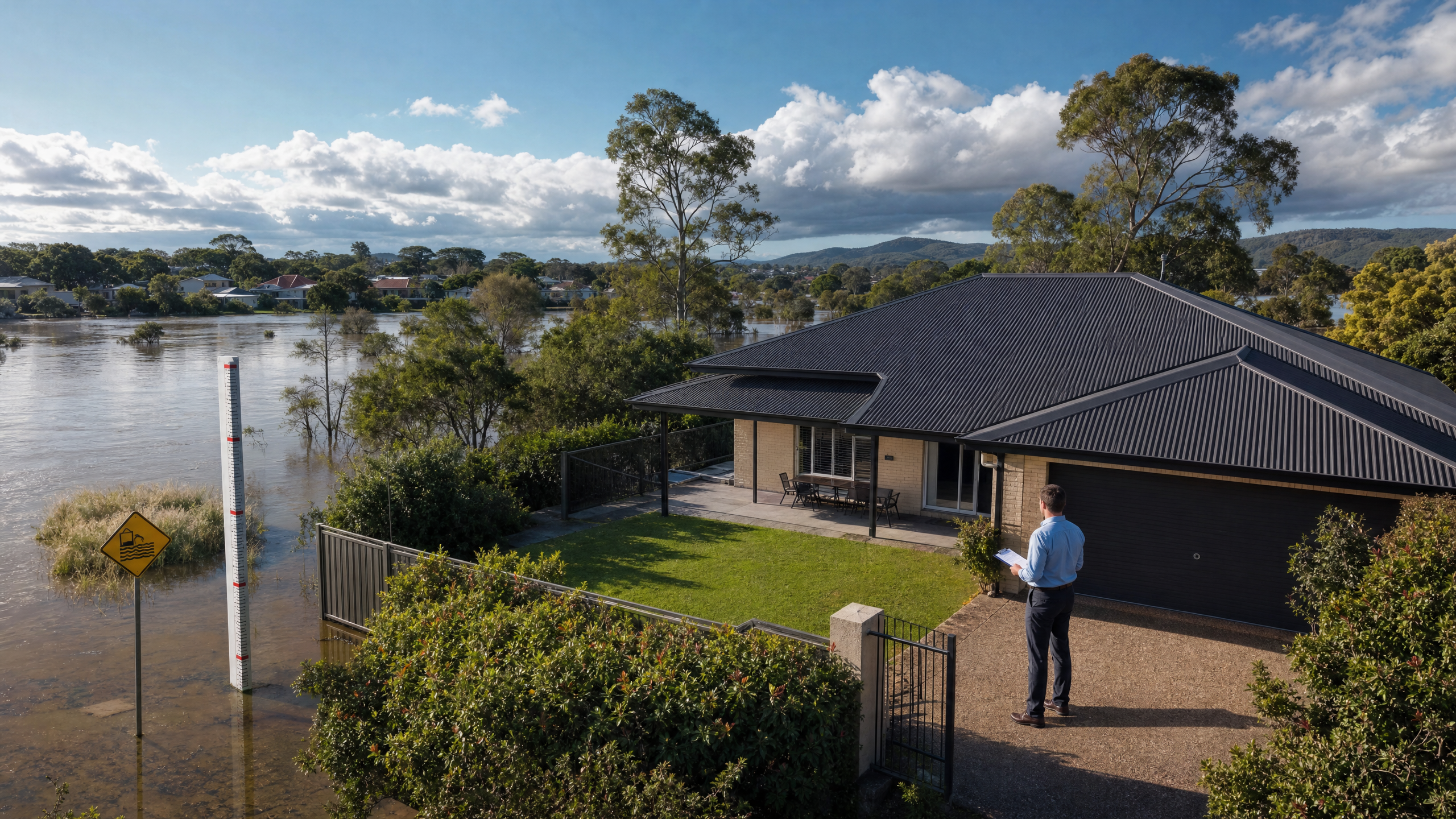
As extreme weather events become more frequent across Australia, flood and bushfire risk are emerging as major factors influencing property valuations and buyer decisions. What was once considered a secondary concern is now playing a far more prominent role in how lenders, insurers, and valuers assess residential properties — particularly in high-risk regions.
For buyers, the impact can extend well beyond insurance premiums. Properties located in flood-prone or bushfire-affected zones may face reduced valuations, stricter lending conditions, or limited buyer demand, all of which can influence long-term value and marketability.
Valuers are increasingly incorporating environmental risk into their assessments, particularly following recent natural disasters that highlighted the financial exposure tied to vulnerable locations. While a property may appear attractive based on location or price, risk mapping and historical event data can significantly alter its perceived value.
Lenders are also taking a more cautious approach. In some cases, banks may reduce the amount they are willing to lend against a property if they consider the environmental risk too high. This can create challenges for buyers who may already be stretching their borrowing capacity, particularly if the bank valuation comes in below the agreed purchase price.
A property's value is no longer determined solely by location and presentation — its exposure to environmental risk is becoming just as important.
Insurance costs are another growing consideration. Premiums in high-risk areas have risen sharply in some parts of the country, adding ongoing financial pressure for homeowners. In extreme cases, insurance availability itself can become limited, which may further impact a property's attractiveness to future buyers.
For buyers, due diligence is becoming more critical than ever. Checking flood maps, bushfire overlays, council zoning, and historical claims data is increasingly viewed as an essential part of the purchasing process rather than an optional extra. Many buyers are also engaging building inspectors and local experts to better understand the practical implications of a property's location.
The issue is particularly relevant in lifestyle and regional markets, where natural surroundings often contribute to a property's appeal. Homes near waterways, bushland, or coastal areas may offer strong lifestyle benefits, but they can also carry elevated exposure to environmental events. Buyers are now weighing these trade-offs more carefully, balancing lifestyle aspirations against long-term financial risk.
Market perception is also evolving. While some high-risk areas continue to attract strong demand, particularly where affordability remains attractive, buyers are becoming more conscious of resale implications. A property that is difficult to insure or finance today may face even greater challenges in the future as climate-related policies and lending standards tighten further.
Technology and data accessibility are helping buyers make more informed decisions. Online risk mapping tools and environmental reporting services are now widely available, giving purchasers greater visibility into potential hazards before committing to a purchase.
As climate considerations become increasingly embedded in property assessment and lending practices, buyers are being encouraged to look beyond the surface appeal of a home and consider the broader financial implications tied to location risk.
Ultimately, understanding flood and bushfire exposure is no longer just about safety — it is becoming a critical part of protecting both borrowing power and long-term property value.
Buying a property doesn't need to be overwhelming. With Homeowner, you can buy the right property faster — with the right team behind you. Get matched with a broker, connect with a buyer's agent, and follow a proven buying plan all in one place. Choose the path that suits you — go fully DIY with expert guidance, use your personal assistant to stay on track, or work one-on-one with one of our qualified team members for a full-service experience. Start your buying plan today and take the next step with confidence.
More from Buyers

How to Choose Between House and Townhouse in Your Budget
Discover the key differences between houses and townhouses to make an informed property decision. Compare costs, lifestyle factors, and investment potential to find the perfect fit for your budget and goals.

What Family Home Buyers Must Understand Before Committing
As Australia's housing market continues to move at a frantic pace in 2026, family home buyers are increasingly finding themselves making decisions under intense time pressure.

Time Pressure Is Causing Costly Mistakes for Family Home Buyers
Whether the rush is caused by a job relocation, an expiring lease or fear of missing out in a competitive market, the consequences of hasty decisions can be significant.