Love Livin' in Dulwich Hill NSW 2203
Prefer Homeowner Blog in Google Search
Love Livin' in Dulwich Hill NSW 2203
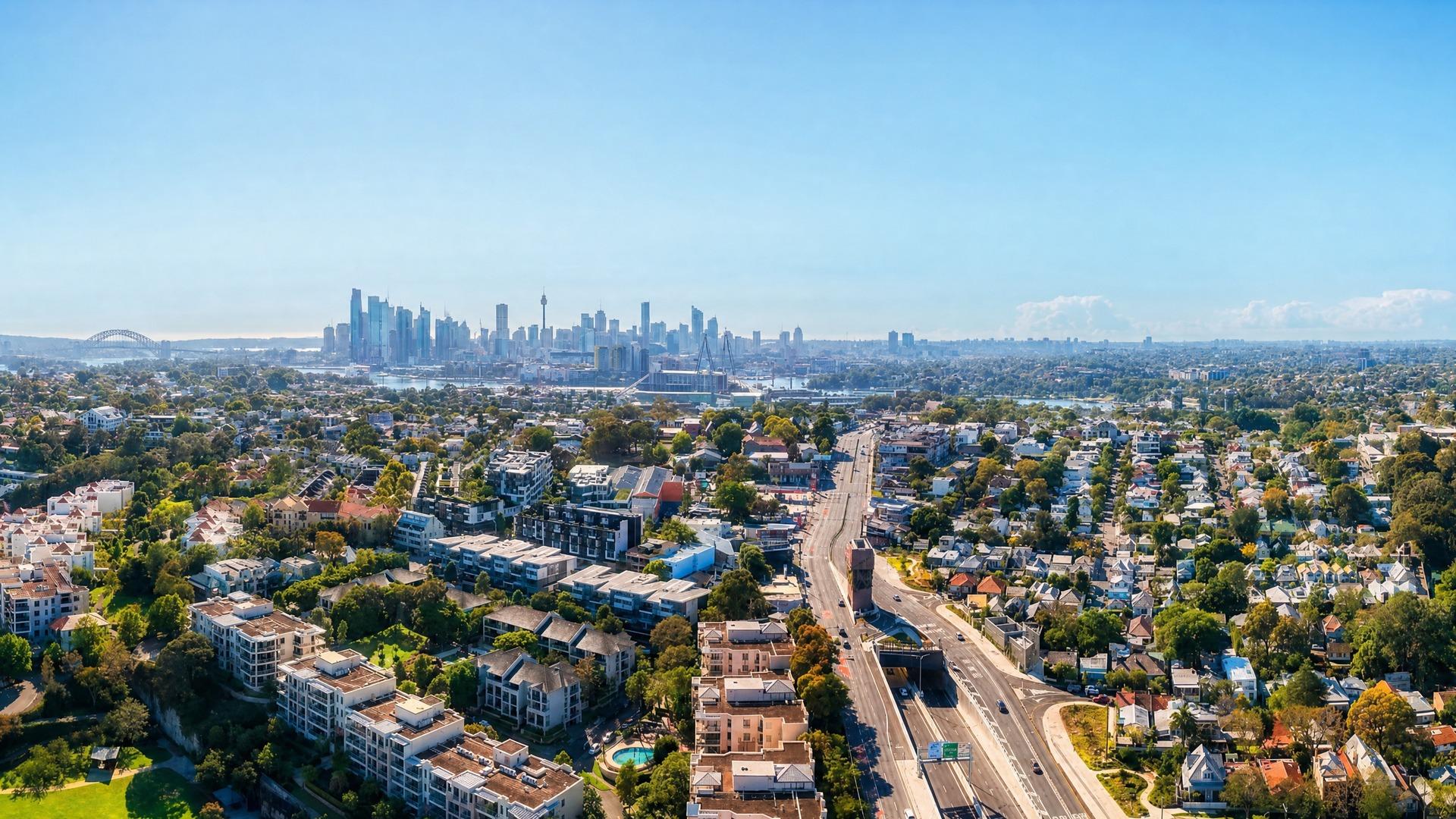
Nestled approximately 7.5 kilometres south-west of the Sydney Central Business District, Dulwich Hill stands out as a character-rich, vibrant residential enclave situated within the Inner West Council area [1, 2]. Renowned for its harmonious architectural tapestry and strong sense of historic identity, the suburb offers a distinctive metropolitan lifestyle that balances old-world charm with contemporary urban convenience. Prospective residents are consistently drawn to its welcoming village atmosphere, robust public transit connections, and well-established community networks that make it one of Sydney's most enduringly appealing neighborhoods [3].
Location & Accessibility
As a prominent inner-west transit hub, Dulwich Hill provides exceptional multi-modal connectivity for commuters and leisure travellers alike [3]. The suburb is serviced by regular bus networks, the Inner West Light Rail (L1 line), and upcoming Sydney Metro services following the Bankstown line upgrade [3]. These integrated transport infrastructure options ensure highly efficient commuter access directly to the Sydney central business district and surrounding employment centers across the metropolitan area [3].
| Transport Mode | Route / Infrastructure | Primary Destination / Function |
|---|---|---|
| Light Rail | Inner West Light Rail (L1 line) [3] | Direct tram service connecting to inner-west and city fringe hubs |
| Bus Services | Local and regional bus networks [3] | Comprehensive suburban connectivity across the Inner West Council area |
| Rapid Rail | Sydney Metro (Bankstown line upgrade) [3] | High-capacity rapid transit linking to major commercial centres |
Complementing public transport, the suburb's arterial corridors and active transport networks—such as the expansive GreenWay corridor—facilitate seamless cycling and walking connections toward the Cooks River [1].
Lifestyle & Amenities
Commercial and social life in Dulwich Hill thrives along its primary thoroughfares, specifically Marrickville Road, New Canterbury Road, and Wardell Road [1]. These bustling commercial spines cultivate a thriving village atmosphere characterized by artisan cafes, diverse eateries, independent local grocers, and essential civic infrastructure [1].
"Dulwich Hill functions as a distinctive inner-west enclave where traditional high streets meet modern urban conveniences, offering residents a rich tapestry of local commerce and recreational spaces." [3]
Residents enjoy abundant local green spaces that enhance everyday wellbeing, most notably Johnson Park and the environmental pathway of the GreenWay active transport corridor [1]. Furthermore, civic amenities such as the Emanuel Tsardoulias Community Library provide vital cultural and educational resources for all age groups, supporting a dynamic and engaged local populace [1].
Community & Education
Dulwich Hill supports a tight-knit, family-oriented community underpinned by a robust educational infrastructure [1]. The suburb hosts a diverse selection of reputable educational institutions catering to all developmental stages, featuring public and private options such as Dulwich Hill Public School, St Maroun's College, St Paul of the Cross, and the specialized Dulwich High School of Visual Arts and Design [1].
| Educational Facility | Institution Type | Focus / Description |
|---|---|---|
| Dulwich Hill Public School | Primary Education [1] | Comprehensive local public schooling for foundational years |
| Dulwich High School of Visual Arts and Design | Secondary Education [1] | Specialized creative arts and academic secondary curriculum |
| St Maroun's College | K-12 Independent [1] | Comprehensive independent schooling within the local community |
| St Paul of the Cross | Primary Education [1] | Catholic parish primary school supporting local families |
Beyond the classroom, active local community groups, grassroots sporting clubs, and accessible parks foster an inclusive, neighborhood-centric environment where families and long-term residents actively participate in civic life [1].
Homes & Property Mix
As an established inner-west residential enclave, the local real estate market commands strong appeal among professionals and growing families seeking long-term stability and proximity to the city core [1]. The streetscape is defined by a harmonious architectural blend of heritage dwellings—including well-preserved Federation, Edwardian, and Victorian homes—alongside contemporary low-rise infill and boutique apartment developments [1].
This diverse property stock reflects balanced demand within Sydney's competitive metropolitan housing market, accommodating both households desiring historic architectural character and those preferring low-maintenance modern living [1].
Why Choose Dulwich Hill?
Choosing Dulwich Hill means embracing a lifestyle where historic character meets modern urban connectivity [1]. With its thriving village high streets, exceptional multi-modal transport options including light rail and upcoming metro services, and reputable schools, the suburb delivers an unmatched quality of life in Sydney's Inner West [1, 3]. Whether enjoying the green expanses of Johnson Park, engaging with local community groups, or settling into a character-rich heritage home, residents find a balanced, welcoming environment tailored for long-term community living [1].
References
[1] https://en.wikipedia.org/wiki/Dulwich_Hill [2] https://www.innerwest.nsw.gov.au/ [3] https://www.inthesuburbs.com.au/suburb/dulwich-hill-nsw-2203.html [4] https://www.htag.com.au/nsw/nsw331-inner-west-council/dulwich-hill-nsw-2203/
More from Love Livin' series

Love Livin' in Bronte NSW 2024: Your Complete Suburb Guide
Bronte NSW 2024 offers exclusive beachside living with a family-friendly atmosphere, stunning ocean pool, and strong community spirit.

Love Livin' in Potts Point NSW 2011: Your Complete Suburb Guide
Potts Point NSW 2011 combines inner-city sophistication with bohemian charm, offering excellent dining and vibrant nightlife.

Love Livin' in Darlinghurst NSW 2010: Your Complete Suburb Guide
Darlinghurst NSW 2010 offers cultural and arts district with excellent amenity and lifestyle options.