Love Livin' in Cowes VIC 3922
Prefer Homeowner Blog in Google Search
Love Livin' in Cowes VIC 3922
Cowes is Phillip Island’s main township and commercial hub: a compact coastal centre where a north-facing beach, jetty, everyday services and a strong visitor economy sit close together. Its appeal is the practical advantage of living near the island’s shops, community facilities and waterfront, while beaches, wildlife and open space remain close at hand. 1
Setting and character
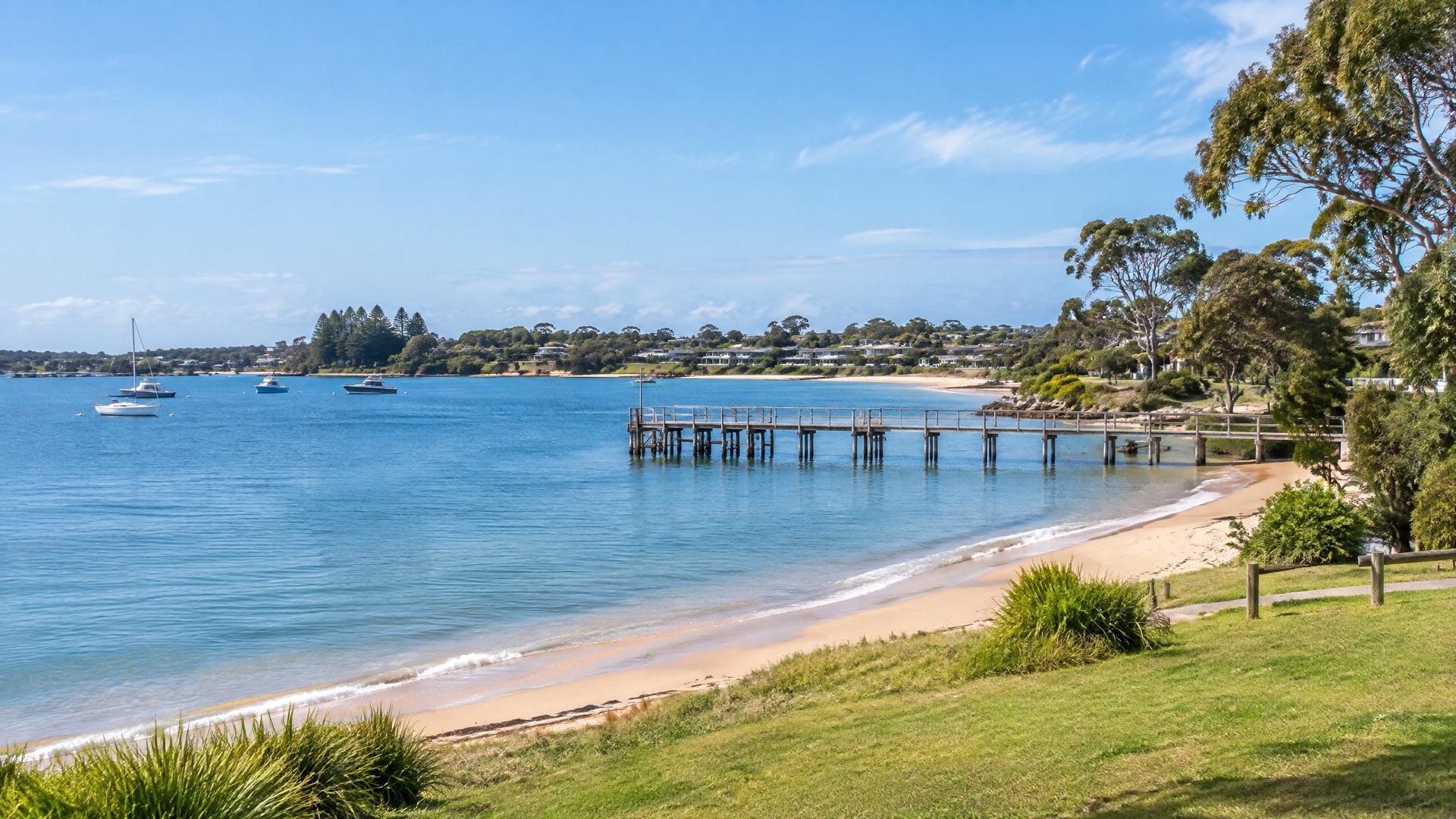
Cowes faces Western Port and is known for one of Victoria’s relatively few north-facing beaches. The foreshore gives the town a distinctly sheltered, family-oriented feel, with the beach, grassed areas, jetty and main shopping streets forming the social centre. In summer and during school holidays, cafés, restaurants, accommodation and the waterfront become noticeably busier as visitors arrive. That seasonal rhythm is part of Cowes’ character, but it is also something prospective residents should experience first-hand before deciding whether the town feels comfortably lively or too crowded. 1
Cowes Jetty dates from 1870 and remains a focal point. Parks Victoria describes sheltered beaches on either side, with toilets, barbecues and playgrounds within walking distance. Fishing, sunsets and views across Western Port are central to the experience, although the jetty has water hazards and jumping or diving is prohibited. Dogs must be kept on lead in the reserve. 2
Daily life and amenities
For daily errands, Cowes offers a traditional regional town centre, with shops, food outlets and services concentrated around the central streets and foreshore. The visitor economy adds dining and accommodation variety, while bringing more traffic and demand at peak times. Destination Phillip Island lists cafés, waterfront restaurants, boutique shops and a broad range of accommodation. 1
Berninneit adds an important civic and cultural layer. Bass Coast Shire Council says the Cowes arts and cultural hub includes a 250-seat theatre, multi-purpose community rooms, a library and a historical society museum. The building also houses the council’s Cowes service centre. For residents, that means library, arts, local-history and community uses are part of the town’s ordinary civic life rather than something that requires a trip off the island. 3
The foreshore is also changing. Council’s Cowes Foreshore Precinct project is intended to improve the connection between Thompson Avenue and the waterfront, with better pedestrian safety, accessibility and amenities. The announced project covers the section from Chapel Street to the foreshore and the Esplanade. Treat this as a planned change rather than a completed benefit: check current council updates, construction staging and possible disruption if you are assessing a particular street. 4
Outdoors, wildlife and culture
A Cowes address makes outdoor time easy. The main beach suits swimming and beach games when conditions and patrols allow, while the jetty reserve provides a waterfront outing with playgrounds, barbecues and fishing access. 1 2 Across Phillip Island, residents can reach the Penguin Parade, Koala Conservation Reserve and Nobbies area; these are island-wide destinations rather than Cowes-centre amenities. 5
The island’s natural setting comes with responsibilities. Parks Victoria advises visitors to check conditions and closures, take care around slippery surfaces, deep water and strong currents, and follow local restrictions. Wildlife protection, coastal weather and changing conditions are practical parts of living near the water, not just tourism details. 2
Berninneit’s theatre, museum and community rooms provide indoor alternatives when the weather turns or when you want a cultural activity without leaving town. Its name is a Bunurong word meaning “gather together”, and council describes the centre as a place connecting local amenities, arts and stories to Country and community. 3
Connections and getting around
Phillip Island is connected to the mainland by the San Remo bridge. Destination Phillip Island says driving is generally the easiest way to explore the island and recommends allowing extra time during holidays and peak periods. From Melbourne, the usual road route runs via the Monash Freeway, South Gippsland Highway, Bass Highway and Phillip Island Road. 6
Public transport exists, but it is not metropolitan-style. V/Line coaches serve Cowes from Melbourne’s Southern Cross Station, and a local bus links Cowes with Anderson and Wonthaggi. Western Port Ferries can connect Cowes with Stony Point and French Island, subject to the operator’s timetable and service conditions. 6 Phillip Island Nature Parks specifically warns that public transport is limited and that the V/Line bus reaches Cowes, not the Penguin Parade; there is no return bus to Melbourne at the end of the evening parade. 5
For a resident, a car is likely to make work, shopping, appointments and island-wide recreation simpler, especially outside the centre. Check routes, timetables, walking conditions and evening options rather than assuming a visitor itinerary works for everyday life.
Property and lifestyle considerations
Cowes offers a mix of established homes, coastal properties, holiday accommodation and newer or changing precincts. The lifestyle description and the property decision should be kept separate: a pleasant foreshore does not tell you whether a particular dwelling is sound, insurable, appropriately zoned or suitable for your intended use.
Before making an offer, inspect at different times of day and across a busy weekend if possible. Check parking, traffic noise, pedestrian activity, winter weather, mobile and internet reliability, and the distance to groceries, schools, health services and public transport. If you are considering short-stay letting, confirm the applicable Victorian and local requirements and do not assume that a property’s existing use can continue unchanged.
Planning due diligence matters in a coastal island town. Use the Victorian planning scheme and council’s planning-permit information to check the zone, overlays, bushfire or flood-related controls, vegetation constraints, heritage issues, coastal considerations and any permit needed for alterations or additional accommodation. Council provides separate checklists for developing in bushfire areas and flood-prone land. 7 8
Before you buy
The strengths: Cowes combines a walkable-feeling town centre, a sheltered waterfront, an established visitor and hospitality economy, cultural facilities at Berninneit and access to Phillip Island’s beaches and wildlife. It can suit people who want a coastal lifestyle with more local services than a small beach settlement typically provides. 1 2 3
The trade-offs: seasonal crowds can affect parking, road travel and the feel of central streets. Public transport is limited, and many island attractions are easier by car. Coastal exposure, water hazards, bushfire and flood-related planning controls may affect a site or future project, so property-specific checks are essential. 5 6 7
A sensible test: spend time in both peak and quieter periods, walk the likely daily routes, speak with council or a qualified local professional about planning controls, and obtain independent building, pest, insurance and legal advice. This is lifestyle information, not a price forecast or investment recommendation; current sale evidence, rental conditions and insurance costs should be verified separately for the exact property.
References
More from Love Livin' series

Love Livin' in Bronte NSW 2024: Your Complete Suburb Guide
Bronte NSW 2024 offers exclusive beachside living with a family-friendly atmosphere, stunning ocean pool, and strong community spirit.

Love Livin' in Potts Point NSW 2011: Your Complete Suburb Guide
Potts Point NSW 2011 combines inner-city sophistication with bohemian charm, offering excellent dining and vibrant nightlife.

Love Livin' in Darlinghurst NSW 2010: Your Complete Suburb Guide
Darlinghurst NSW 2010 offers cultural and arts district with excellent amenity and lifestyle options.