Love Livin' in Bright VIC 3741
Prefer Homeowner Blog in Google Search
Love Livin' in Bright VIC 3741
Overview
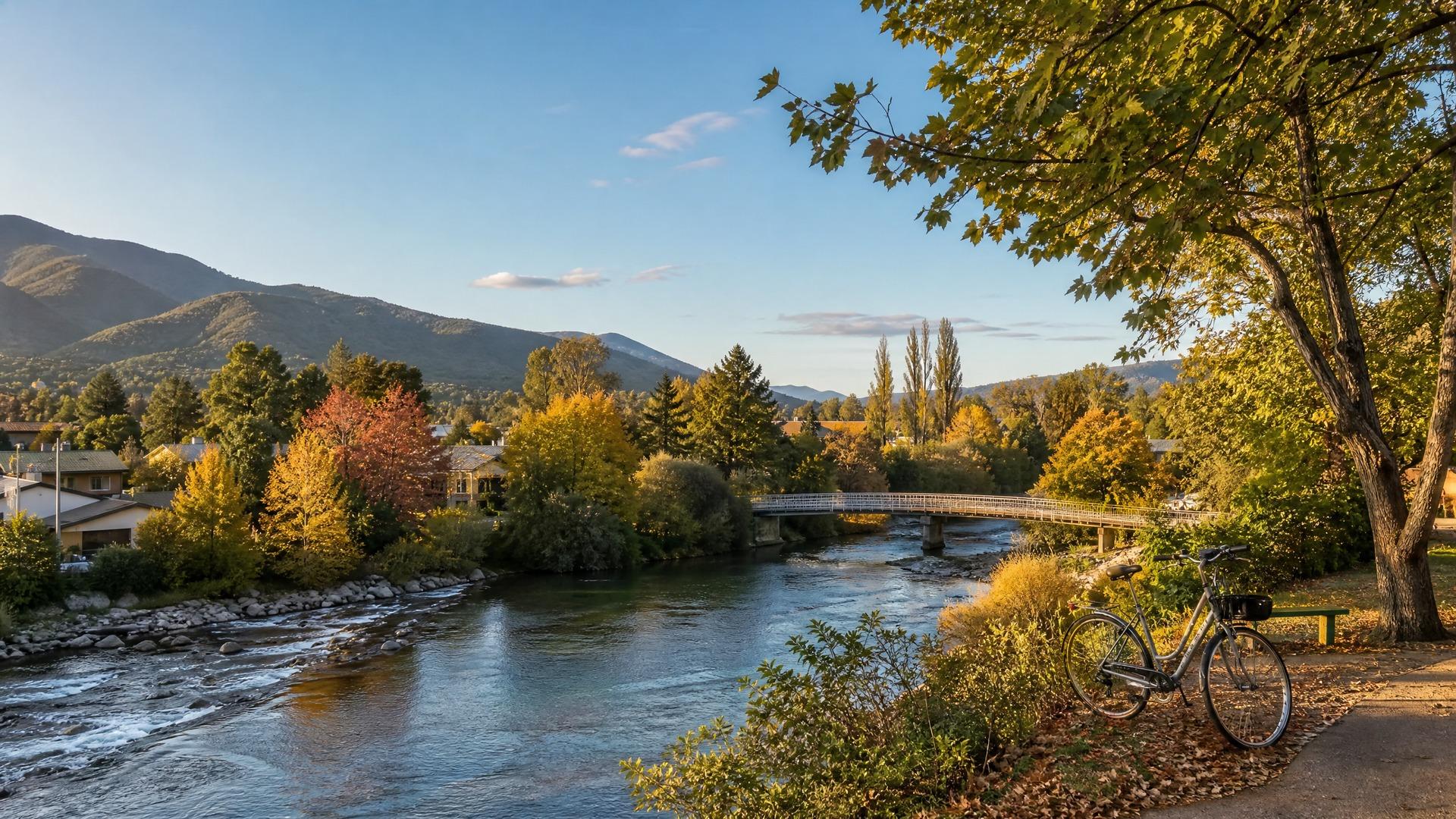
Nestled in the heart of the Ovens Valley, Bright is a town that harmoniously balances its gold-mining heritage with its status as one of Victoria’s premier alpine destinations. Located approximately 300 kilometres north-east of Melbourne, it serves as a gateway to the Victorian Alps at the base of the Great Dividing Range. The town’s geography is defined by the Ovens River, which winds through the centre, and the surrounding peaks of Mount Buffalo and the Alpine National Park. This setting provides a dramatic backdrop that changes character with every season, drawing both visitors and permanent residents to the region.
Originally established during the 1850s gold rush, Bright transitioned into a centre for agriculture and eventually tourism. Today, it is a vibrant regional hub within the Alpine Shire, supporting a population that enjoys high amenity relative to its size. The town’s layout is centred around Gavan Street, lined with established European trees planted over a century ago. These trees are central to the town’s identity, providing a canopy of green in summer and a spectacular display of crimson and gold in autumn, celebrated annually during the Bright Autumn Festival.
Lifestyle & amenity
The lifestyle in Bright is inextricably linked to the outdoors. The town is a major destination for cycling, with the Murray to the Mountains Rail Trail offering a sealed path connecting Bright to nearby Porepunkah and Myrtleford. For more adventurous riders, Mystic Park provides a world-class mountain biking network on the hills overlooking the town. During winter, Bright serves as a strategic base for skiers heading to nearby resorts, accessible within a 90-minute drive.
Within the town, the Ovens River is the focal point for recreation. During warmer months, the riverbanks at Howitt Park and Centenary Park are popular for swimming and picnicking. The Bright Splash Park offers interactive water play for families, while the Canyon Walk provides a scenic trail along the river, showcasing unique rock formations and historical mining sites. The town’s botanical diversity is further showcased in the Bright Arboretum and various public gardens.
Bright’s dining and social scene is sophisticated for a regional town. The local economy supports diverse establishments, from boutique cafes to the prominent Bright Brewery. The region is also famous for cool-climate wines, with several vineyards located just a short drive away in the Ovens and Buckland Valleys. Retail in Bright features a mix of outdoor adventure stores, independent boutiques, and essential services, including a well-resourced library and the Bright Art Gallery and Cultural Centre.
Getting around
Transport in Bright is primarily road-based, with the Great Alpine Road serving as the main artery connecting the town to the Hume Freeway at Wangaratta. For residents, the drive to Melbourne takes around three and a half hours, while Albury-Wodonga is approximately seventy-five minutes to the north. The Great Alpine Road is one of Australia’s most scenic drives, though it requires careful navigation during winter when snow chains are often mandatory for high country travel.
Public transport is facilitated by V/Line, which operates a daily coach service between Bright and Wangaratta Railway Station. These coaches connect with train services to Melbourne’s Southern Cross Station. For local travel between alpine townships, the Alps Link bus service operates several days a week, connecting Bright with Omeo and Mount Hotham.
Within the town, the compact central business district is highly walkable. An extensive network of shared paths encourages cycling for local errands and school commutes. For those requiring air travel, Albury Airport is the nearest commercial hub, offering regular flights to major cities, with various car rental and shuttle services available for the final leg of the journey to Bright.
Local character & property
The character of Bright is defined by its seasonal rhythm and distinct architectural blend. The town maintains a connection to its past through preserved heritage buildings along the main street and in older residential pockets. These historic structures, often constructed from local stone and timber, reflect the materials available during early development. In contrast, newer residential areas feature contemporary designs that emphasise large windows and outdoor living spaces to take advantage of mountain views and the distinct four seasons.
Property in Bright is influenced by its dual role as a residential community and a tourism hotspot. The housing stock includes everything from modest cottages to expansive modern builds on the town’s fringes. There is a significant presence of holiday accommodation, including motels and short-stay rentals, which contributes to the town’s bustling atmosphere during peak seasons. Despite tourism pressure, Bright retains a genuine community feel, supported by active local organisations and a strong volunteer base.
The town’s aesthetic is heavily influenced by its European planting. Unlike many Australian towns dominated by native eucalypts, Bright’s residential streets are lined with deciduous trees that provide shade in summer and allow sunlight during the cold alpine winters. This deliberate planting has created a visual identity unique in the Australian landscape. The community’s commitment to maintaining this character is evident in the planning guidelines that govern development within the township.
Who it may suit
Bright is an attractive option for a diverse range of residents drawn by the alpine lifestyle. For families, the town offers a safe environment with quality schooling at Bright P-12 College. The abundance of parks, sporting clubs, and outdoor activities makes it ideal for raising children who enjoy nature. The community is tight-knit, and local amenities ensure families do not have to sacrifice convenience for a regional lifestyle.
Retirees are also well-represented, attracted by the town’s beauty, its walkable centre, and the high standard of local healthcare and aged care services. The slower pace of life outside peak tourism seasons, combined with the active social scene centred around the library and art gallery, provides a fulfilling environment.
Additionally, Bright has become a favoured destination for tree-changers and remote workers. The availability of high-speed internet and proximity to regional centres like Wangaratta allow professionals to maintain careers while enjoying a lifestyle that many only experience on holiday. For those who value physical activity, fresh mountain air, and a strong sense of place, Bright offers a compelling proposition that few other Victorian towns can match.
Further reading
- ▸Alpine Shire Council: https://www.alpineshire.vic.gov.au/
- ▸Visit Bright & Surrounds: https://www.visitbright.com.au/
- ▸Public Transport Victoria (V/Line): https://www.ptv.vic.gov.au/
- ▸Parks Victoria: https://www.parks.vic.gov.au/
- ▸Bright Autumn Festival: https://www.brightautumnfestival.org.au/
More from Love Livin' series

Love Livin' in Bronte NSW 2024: Your Complete Suburb Guide
Bronte NSW 2024 offers exclusive beachside living with a family-friendly atmosphere, stunning ocean pool, and strong community spirit.

Love Livin' in Potts Point NSW 2011: Your Complete Suburb Guide
Potts Point NSW 2011 combines inner-city sophistication with bohemian charm, offering excellent dining and vibrant nightlife.

Love Livin' in Darlinghurst NSW 2010: Your Complete Suburb Guide
Darlinghurst NSW 2010 offers cultural and arts district with excellent amenity and lifestyle options.