Love Livin' in Ballarat VIC 3350: Your Complete Suburb Guide
Prefer Homeowner Blog in Google Search
Love Livin' in Ballarat, VIC 3350: A Comprehensive Suburb Guide
Introduction
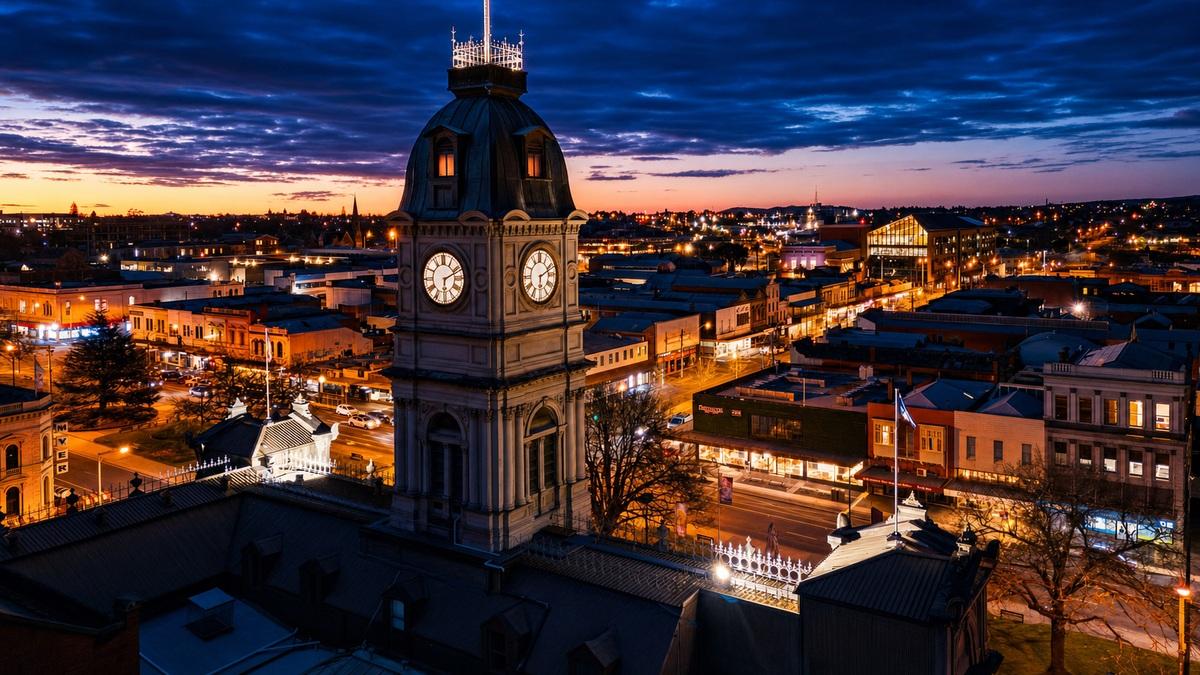
Ballarat, Victoria, is a city steeped in the rich history of the Australian gold rush, yet it pulses with the energy of a modern, thriving regional centre. Located approximately 110 kilometres west-north-west of Melbourne, Ballarat offers a compelling blend of heritage architecture, contemporary lifestyle amenities, and a strong sense of community. It is the third-largest city in Victoria, a status that brings with it a sophisticated infrastructure, excellent educational institutions, and a diverse economic base. For property buyers and investors, Ballarat presents an attractive proposition: a regional city with metropolitan-level services, but with a significantly more accessible property market than its capital city counterpart. The city's commitment to preserving its past, evident in landmarks like the majestic Ballarat Town Hall and the living museum of Sovereign Hill, is perfectly balanced by its forward-looking development, particularly in the education, health, and technology sectors. This guide provides an authoritative look at what makes Ballarat a premier choice for living and investment, from its robust property market and top-tier schools to its vibrant lifestyle and strong community fabric. The city's appeal lies in its ability to offer a high quality of life, combining the tranquility of regional living with the convenience and opportunities of a major urban hub.
Key Statistics
This suburb has a population of 118,137 (City of Ballarat LGA, June 2023 estimate). The median house price is $560,000, while median units are priced at $385,000 (Q2 2025 data). The suburb is located approximately 110-113 kilometres from the Melbourne CBD.
Property Market
The Ballarat property market has demonstrated remarkable resilience and growth, particularly in the post-pandemic era, as buyers seek value and lifestyle outside of Melbourne's expensive inner ring. As of Q2 2025, the median house price stands at $560,000, representing an annual increase of 5.7%. The unit market has also performed strongly, with a median price of $385,000 and a 5.2% annual price increase. This growth is underpinned by a significant increase in sales volume, with house sales up 37.1% and unit sales up 44.0% year-on-year, indicating a highly demanded market.
The market is currently characterised by an undersupply of stock, which is a key driver of price appreciation. The limited number of new residential projects—with only a small number of townhouses, units, and houses planned for 2025—is insufficient to meet the strong demand, suggesting continued upward pressure on prices. While the growth has been strong, Ballarat's median house price remains comfortably below the regional Victorian average, positioning it as an affordable entry point for first-home buyers and investors alike. Suburbs within the Ballarat LGA, such as Ballarat Central, Alfredton, and Lucas, each offer distinct property profiles, from heritage homes on large blocks to modern, master-planned estates. The demand for established homes is particularly high, driven by rising build costs that make existing properties a more attractive and immediate option.
Lifestyle & Amenities
Ballarat's lifestyle is defined by its rich cultural heritage, expansive green spaces, and a burgeoning food and wine scene. The city's main thoroughfare, Sturt Street, is an impressive boulevard lined with grand Victorian-era buildings, including the iconic Ballarat Town Hall and the Art Gallery of Ballarat, one of Australia's oldest and largest regional galleries.
Recreation and Green Spaces: Lake Wendouree is the city's recreational heart, offering a picturesque setting for walking, cycling, rowing, and sailing. The surrounding Botanical Gardens are a perfect example of Victorian-era landscape design. For families, the Ballarat Wildlife Park and the historical re-enactment at Sovereign Hill provide unique and engaging experiences.
Shopping and Dining: The city centre provides a mix of major retail chains and independent boutiques, particularly along Sturt Street and the Bridge Mall precinct. For dining, Ballarat has evolved into a regional culinary hotspot. Notable dining spots range from contemporary cafes and fine-dining restaurants to traditional pubs. The local produce markets and the proximity to the Pyrenees wine region further enhance the gastronomic appeal.
Local Landmarks: Beyond Sovereign Hill, other key landmarks include the Eureka Centre, commemorating the Eureka Stockade rebellion, and the Arch of Victory, a solemn tribute to World War I soldiers. These sites not only serve as tourist attractions but also deeply embed the city's history into the daily lives of its residents.
Schools & Education
Ballarat is renowned for its high-quality educational institutions, making it a major drawcard for families. The city hosts a diverse range of public, Catholic, and independent schools, many of which consistently rank among the top performers in the state. The presence of Federation University Australia also solidifies Ballarat's status as a regional education hub, offering pathways from early learning through to tertiary study.
Top Primary and Secondary Schools
| School Name | Type | Level |
|---|---|---|
| Ballarat Clarendon College | Private Independent | Combined (ELC-12) |
| Ballarat Grammar | Private Independent | Combined (ELC-12) |
| Loreto College | Private Catholic | Secondary (Years 7-12) |
| St Patrick's College | Private Catholic | Secondary (Years 7-12) |
| Ballarat High School | Public Government | Secondary (Years 7-12) |
| Damascus College | Private Catholic | Secondary (Years 7-12) |
| Ballarat Primary School (Dana Street) | Public Government | Primary (Prep-6) |
The independent schools, such as Ballarat Clarendon College and Ballarat Grammar, offer comprehensive co-educational programs from early learning through to Year 12, often with boarding options. The Catholic sector is strongly represented by single-sex schools like Loreto College (girls) and St Patrick's College (boys), and the co-educational Damascus College. The public sector is anchored by high-performing schools like Ballarat High School, which provides excellent secondary education options. The quality and breadth of educational choices ensure that families moving to Ballarat have access to some of the best schooling in regional Victoria.
Transport & Accessibility
Ballarat's transport network is efficient and well-connected, ensuring easy accessibility both within the city and to Melbourne.
Road Network: The city is directly connected to Melbourne via the Western Freeway (M8), a journey of approximately 90 minutes. This direct link makes commuting to Melbourne feasible for some, and certainly facilitates weekend trips. Other major roads, including the Midland Highway and the Glenelg Highway, connect Ballarat to other key regional centres.
Public Transport: The V/Line train service is a critical component of the city's transport infrastructure. The Ballarat railway line provides regular, fast services to Southern Cross Station in Melbourne. The Ballarat Station itself has recently undergone a significant upgrade to improve accessibility and connectivity. Within the city, a comprehensive bus network, managed by Public Transport Victoria (PTV), services the various suburbs, connecting residential areas with the CBD, shopping centres, and educational precincts.
Future Infrastructure: The City of Ballarat is continually investing in infrastructure, with major projects like the Ballarat West Employment Zone (BWEZ) designed to boost local employment and logistics, and ongoing upgrades to local roads and community facilities. These investments enhance the city's long-term liveability and economic viability.
Community & Demographics
The City of Ballarat has an estimated resident population of over 118,000, making it a significant regional centre. The community is characterised by a mix of long-term residents and a growing influx of younger families and professionals attracted by the city's affordability and lifestyle.
Demographics: The population profile is relatively young compared to some other regional areas, driven by the presence of Federation University and the strong job market in health and education. The community is increasingly diverse, though it maintains a strong core of Australian-born residents. The median age is typically lower than the state average, contributing to a vibrant and dynamic social scene.
Culture and Events: Ballarat has a strong community spirit, fostered by numerous annual events. The Ballarat Begonia Festival, the Ballarat Heritage Weekend, and the various arts and cultural festivals held throughout the year contribute to a rich social calendar. The city is also a major sporting hub, with strong participation in Australian Rules Football and other sports.
Investment Potential
Ballarat offers a compelling case for property investors, driven by its strong rental market and long-term capital growth prospects.
Rental Market Strength: The rental market is exceptionally tight, with a vacancy rate of just 0.9% as of June 2025, which is well below the 3.0% healthy benchmark. This undersupply of rental properties translates into strong rental growth and high yields. The median house rental price has grown by 6.7% over the past 12 months to $480 per week, with house rental yields sitting at a healthy 3.4%.
Capital Growth: While the market has seen strong growth, the relative affordability compared to Melbourne suggests significant potential for future capital appreciation. The city's economic stability, underpinned by major employers in health, education, and government, provides a solid foundation for sustained property demand. The ongoing infrastructure investment, particularly in employment zones, is expected to further stimulate economic activity and population growth, which are key drivers of long-term property value increases.
Target Investment: Investors should focus on properties close to the CBD, Lake Wendouree, and the major school precincts, as these areas consistently attract high demand from both owner-occupiers and renters. The unit market, with its lower entry price and strong rental demand, also presents an attractive option for investors seeking higher rental yields.
Pros and Cons
| Pros | Cons |
|---|---|
| Affordability: Significantly lower median house prices than Melbourne. | Commute to Melbourne: While possible, the 90-minute drive or train ride can be lengthy for daily commuters. |
| Strong Education Sector: Home to top-tier public and private schools, and Federation University. | Heritage Restrictions: Some areas have strict heritage overlays, which can complicate renovations or developments. |
| Tight Rental Market: Low vacancy rates (0.9%) and strong rental yield (3.4% for houses). | Climate: Ballarat experiences cold winters, which may not appeal to everyone. |
| Rich Heritage and Lifestyle: Vibrant cultural scene, beautiful historic architecture, and extensive green spaces like Lake Wendouree. | Limited New Stock: Undersupply of new housing, which can make finding a suitable property challenging. |
| Economic Stability: Major employment hubs in health, education, and government provide a stable economic base. | Regional Isolation: While well-connected, it is still a regional city and lacks the sheer scale of amenities found in a capital city. |
| Infrastructure Investment: Ongoing major projects are enhancing liveability and economic prospects. | Traffic Congestion: Increasing population has led to growing traffic issues, particularly during peak hours. |
| Community Feel: Strong sense of community and a more relaxed pace of life than metropolitan areas. | Competition for Quality Stock: High demand for the best properties, especially those in prime school zones. |
Final Verdict
Ballarat, VIC 3350, is an outstanding choice for both owner-occupiers and property investors. It successfully bridges the gap between regional charm and urban convenience, offering a high quality of life at a fraction of the cost of Melbourne. For families, the exceptional schools and safe, community-focused environment are a major draw. For investors, the combination of strong capital growth, low vacancy rates, and healthy rental yields makes it a highly attractive and stable market. The city's ongoing economic development and infrastructure investment suggest that its growth trajectory is sustainable. Ballarat is not just a historical city; it is a dynamic, future-focused regional hub that promises excellent liveability and solid returns. It is a market that should be seriously considered by anyone looking to invest in or relocate to regional Victoria.
Word Count Placeholder: 1907
More from Love Livin' series

Love Livin' in Bronte NSW 2024: Your Complete Suburb Guide
Bronte NSW 2024 offers exclusive beachside living with a family-friendly atmosphere, stunning ocean pool, and strong community spirit.

Love Livin' in Potts Point NSW 2011: Your Complete Suburb Guide
Potts Point NSW 2011 combines inner-city sophistication with bohemian charm, offering excellent dining and vibrant nightlife.

Love Livin' in Darlinghurst NSW 2010: Your Complete Suburb Guide
Darlinghurst NSW 2010 offers cultural and arts district with excellent amenity and lifestyle options.