A Guide to Buying Next-Door Infill Sites
Prefer Homeowner Blog in Google Search
A Guide to Buying Next-Door Infill Sites
For property buyers looking for a way to add value, expand their landholding or secure a future development opportunity, buying an infill site next door can present a rare opportunity. But while the idea of acquiring neighbouring land can be appealing, these purchases require far more investigation than a conventional property transaction.
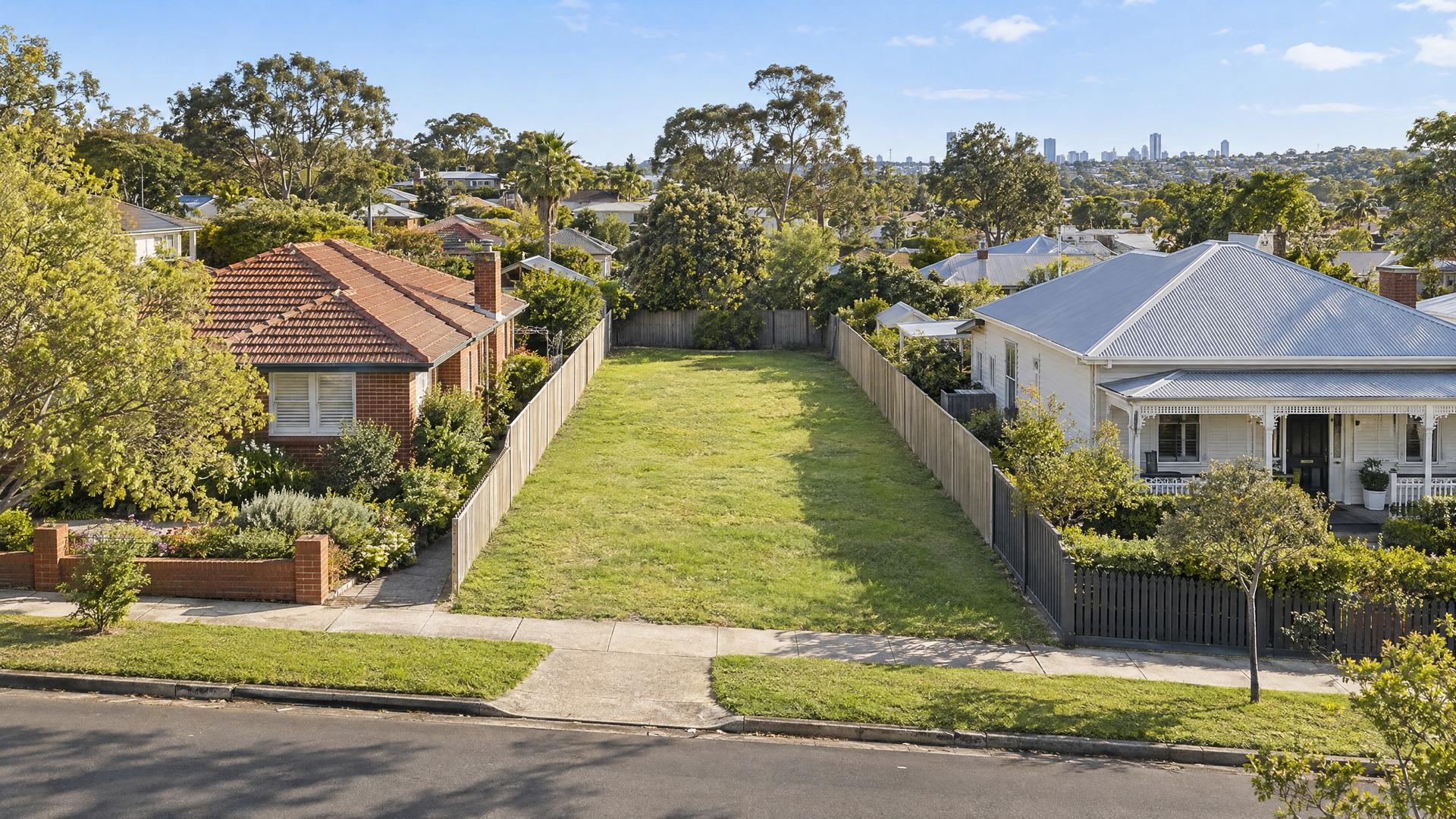
Next-door infill sites can take several forms. They may be vacant blocks sitting between established homes, a neighbouring property with subdivision potential, a small parcel of underutilised land, or an adjoining site that could eventually support another dwelling or development. For a buyer who already owns the property beside it, acquiring that land can create possibilities that would not exist if the blocks were considered separately.
The attraction is often straightforward: control more land in a tightly held area.
For homeowners, purchasing the neighbouring site may provide additional space for a larger home, garden, parking, a secondary dwelling or future redevelopment. For investors and buyers with a development strategy, the combined landholding may potentially create a more valuable development proposition than either property could offer individually.
But the critical question is not simply whether the land is available. It is whether the additional site actually improves the buyer’s position after purchase costs, planning restrictions, finance, holding costs and future development requirements are taken into account.
The appeal of the neighbouring block
Buying next door can offer an advantage that is difficult to replicate elsewhere: the buyer already understands the immediate location.
They may know the street, neighbouring properties, traffic patterns, local amenities and character of the area. They may also have a clear understanding of how the additional land could interact with their existing property.
That familiarity can make an infill opportunity particularly attractive.
A buyer might, for example, own a house on a relatively narrow block and discover that the adjoining property has become available. Acquiring it could allow the owner to combine the lots, improve access, increase usable land or create greater flexibility for a future project.
In some cases, the opportunity may be less about development and more about protecting the property’s long-term appeal. Owning the neighbouring parcel could prevent an unwanted development from occurring immediately beside the home, although buyers should never assume that purchasing the land automatically guarantees a particular future use.
The planning framework remains critical.
The real value of a next-door infill site lies not simply in owning more land, but in understanding exactly what that additional land allows you to do.
Planning rules can change the equation
One of the biggest mistakes buyers can make is assuming that a larger combined block automatically means greater development potential.
Planning controls can vary considerably between suburbs, councils and individual properties. Zoning, minimum lot sizes, frontage requirements, setbacks, building envelopes, heritage controls, environmental restrictions, overlays and access requirements can all influence what is possible.
Even two adjoining properties can have different planning characteristics.
Before making an offer, buyers should investigate the relevant planning information and determine whether the intended use is realistically achievable. If the purchase is being considered for subdivision or development, professional advice from a town planner, surveyor or other suitably qualified adviser may be worthwhile.
It is also important to distinguish between what appears physically possible and what is legally permissible.
A large backyard might look suitable for another dwelling, but factors such as stormwater management, vehicle access, easements, services and required setbacks could significantly affect the feasibility of the project.
Check the title before getting carried away
Title information can reveal issues that are not immediately obvious from a property inspection.
Easements, covenants, restrictions and other encumbrances may affect how the land can be used. Access arrangements are particularly important where a proposed development relies on shared driveways or existing infrastructure.
Buyers should also establish whether the properties can actually be consolidated in the way they envisage. Lot consolidation is not necessarily automatic, and the process can involve planning, surveying, legal and council requirements.
The location of services should also be considered. Water, sewer, electricity and telecommunications infrastructure can influence development costs, while existing connections and service corridors may restrict where buildings or driveways can be positioned.
For a buyer purchasing land specifically because of its future potential, these details can be more important than the property’s current appearance.
Understanding the price premium
A neighbouring property can command a premium precisely because of its strategic value to the adjoining owner.
The seller may understand that the site is particularly valuable to the person next door and price it accordingly. That creates an important negotiation challenge.
Buyers need to establish what the property is worth independently, rather than allowing the emotional appeal of owning the adjoining land to determine the price.
A useful question is: what would this property be worth to another buyer?
If the answer is substantially lower than the price being considered, the buyer needs to carefully assess whether the additional strategic value justifies the premium.
Comparable sales, land values, development feasibility and potential end values can all help establish a more realistic picture.
Finance and holding costs matter
Buying an additional property also introduces financial considerations that can be overlooked when the opportunity feels unique.
The buyer needs to understand how the purchase will be funded and whether the lender’s valuation supports the proposed transaction. Stamp duty, legal costs, conveyancing, planning reports, surveying, council fees and other professional costs can add significantly to the initial outlay.
If the site is intended for future development, there may also be a substantial period between acquisition and construction.
During that time, the buyer could be carrying additional debt or capital without generating an immediate return.
This is particularly important when the buyer’s strategy depends on future planning approval or market growth. A project that appears profitable on paper can become considerably less attractive when financing and holding costs are included.
Think beyond the immediate opportunity
The strongest next-door purchases are usually based on a clear long-term strategy rather than the fear of missing out.
Buyers should consider how the combined landholding could perform under different scenarios. Could the property remain valuable if development plans change? Would the buyer still be comfortable owning the site if approvals take longer than expected? Could the land be sold independently in the future?
It is also worth considering the practical consequences of owning two adjoining properties.
If the buyer plans to retain both, there may be additional maintenance, insurance, rates and management requirements. If the intention is to redevelop, the project may require substantial time and professional involvement.
Ultimately, the decision should come down to whether the additional property strengthens the buyer’s broader financial and property strategy.
Next-door infill sites can be difficult to find and even harder to replace once they are gone. That scarcity can make them compelling, particularly in established suburbs where vacant land is limited.
But scarcity should not replace due diligence.
For buyers who can clearly identify the opportunity, understand the planning framework and calculate the numbers realistically, an adjoining infill site can become much more than another property purchase. It can be a way to reshape the potential of an existing holding and create options that were previously unavailable.
The key is to buy the opportunity—not simply the land.
More from Buyers

Tips for Single Buyers Entering the Property Market Alone
Learn how solo buyers can understand borrowing capacity, budget for the full costs of ownership, set a realistic property brief and build the right support team before purchasing a home.
How to Budget for Owner’s Corp and Strata Fees
Learn how regular levies, special levies, building maintenance and reserve funds affect strata costs, and how to budget for the true cost of owning an apartment, townhouse or unit.

How to Choose Between House and Townhouse in Your Budget
Discover the key differences between houses and townhouses to make an informed property decision. Compare costs, lifestyle factors, and investment potential to find the perfect fit for your budget and goals.